

























































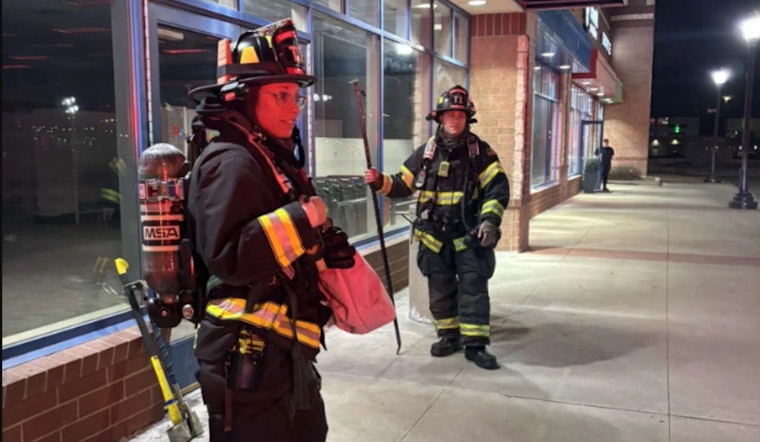
When firefighter Deelia Guite of St. Cloud encountered the harrowing scene of a deadly fire in 2023, she didn't know that the trauma of carrying an infant's body out of the inferno would etch permanently into her memory. The tragic event highlighted a lesser-discussed hazard of the profession: the significant impact on mental health. ”The job doesn’t allow you to relax, never completely,” Guite explained in a report by the Department of Public Safety of Minnesota. Firefighters are perennially on alert, bracing for the next emergency, a state of mind that takes a considerable mental toll.
Injuries and the risk of cardiovascular disease or cancer are well-known among fire service hazards. However, mental health issues, such as depression, substance abuse, and post-traumatic stress disorder (PTSD), although pervasive, remain veiled behind curtains of bravery and duty. A 2015 survey by the International Association of Firefighters revealed that nearly half of the 1,000 U.S. firefighters surveyed had contemplated suicide, with 19 percent laying plans and 16 percent having attempted it. Minnesota's own MnFIRE, a non-profit organization dedicated to supporting firefighter health, echoes these concerns, pinpointing sleep disorders and suicidal ideation as prevalent among those who serve.
The state's Chief Deputy Fire Marshal, Amanda Swenson, has witnessed the darkness of fatal fires herself and recognizes the shared burden within teams. "Because we are responding as a group … if you have a fatality, it's not one firefighter experiencing that," Swenson told the Department of Public Safety of Minnesota. In response to this reality, she advocates for accessible mental health resources and peer support systems. Swenson hopes firefighters understand that assistance is available, stressing that "sometimes just getting back to the fire hall and talking about it that evening isn't enough."
Recognizing the gravity of these challenges, MnFIRE has instituted a free assistance program offering confidential peer support and mental health resources for Minnesota firefighters and their families. These initiatives aim to break the silence surrounding firefighter mental health and foster environments where seeking help is not just encouraged but normalized. The approach, as seen through Guite's experience, where she was given abundant resources to process her trauma, could indeed exemplify best practices in an occupation perennially associated with heroism, yet often divorced from its human toll.





