

























































The Tennessee Council for Career and Technical Education (TCCTE) is slated to host a public hearing on Monday, July 14, where education intersects with the hands-on fields that keep our society humming. The hearing will take place from 9-11 a.m. CT at the Tennessee Board of Regents System Office in Nashville, according to an announcement made earlier this June. A panel of representatives will listen to feedback and consider the perspectives shared on the current CTE programs available throughout the state.
With opportunities, challenges, and improvement strategies on the docket, this hearing is not solely for the suits and the academics. Scheduled to follow the public discourse, the council will also convene for its quarterly board meeting from 12:30 to 2 p.m. CT at the same location, allowing the conversations and shared learnings of the morning to presumably inform their discussions and decisions.
Ongoing developments in Career and Technical Education form the heart of this forum. Encouraged to attend and participate are students, parents, educators, employers, and members of the public life of Tennessee. "Each speaker will be allotted up to three minutes to provide comments," the TCCTE remarked in a statement released by the Tennessee Board of Regents, offering a structured yet open platform for all voices to be heard.
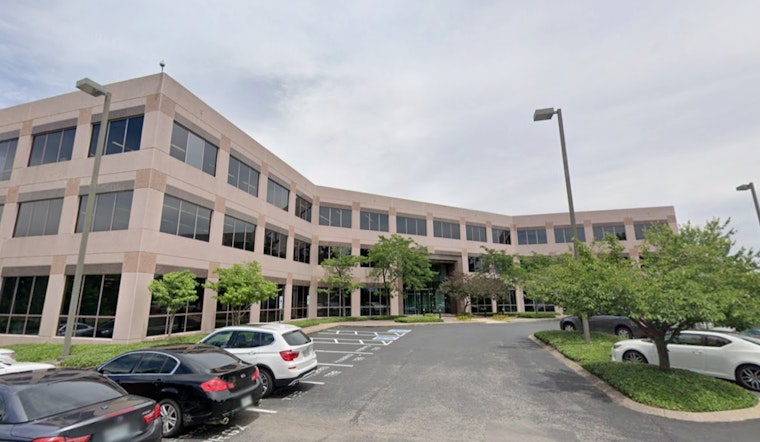
Specific event details were released for those interested in partaking or attending the event, located at the Tennessee Board of Regents Board Room, 1 Bridgestone Park, Nashville, TN 37214. It presents stakeholders with a rare opportunity to step into the room and directly influence the shaping of policy and practice that will affect the future workforce of Tennessee. This meeting represents a critical juncture, where personal experiences and expert testimonies could pivot CTE programming in a direction more aligned with the state's economic and educational needs.





-4.webp?w=160&h=400&fit=crop&crop=edges)