

























































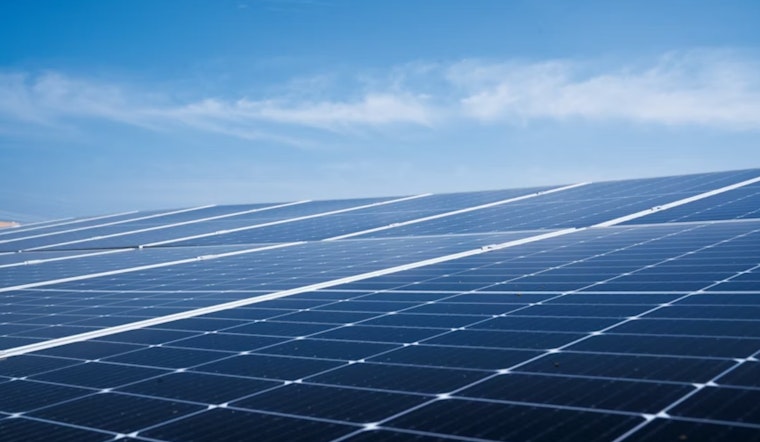
Utah State University is leveling up its commitment to sustainability, launching a significant increase in its utilization of solar power. In partnership with Castle Gate Engineering, USU is boosting its on-campus solar energy production by more than 1 megawatt DC, spread out over four Cache Valley locations, an exciting move that underscores the institution's dedication to environmental responsibility and financial foresight.
The new solar energy systems, as per USU Today, include nearly 500 kilowatts on the Stan Laub Indoor Practice Facility roof, an addition of more than 150 kilowatts to the Gateway Parking Structure's current setup, and installations topping 200 kilowatts on the Sam Skaggs Family Equine Center and the Caine Dairy milking facility in Wellsville. This is not just a casual upgrade; it's a decisive stride towards self-sufficient power generation.
USU's initiative is as practical as it is progressive. With these new solar arrays, the university will be generating over 1.6 million kilowatt-hours of electricity annually. That's enough juice to power about 150 average homes in Utah for a year, or to offset the carbon footprint equivalent to burning over 1.2 million pounds of coal. The installations are poised to reduce CO2 emissions by 1,200 metric tons each year, think removing over 260 cars off the roads. "This project isn't just about going green,” Zachary Cook, USU Facilities utilities energy manager, told USU Today. “It’s also a strategic investment in long-term financial stability."
These solar additions enable USU to buffer against the whims of utility pricing, decrease dependency on fossil fuel-derived energy, and reinforce its position in a fluctuating energy market. With an operational expectancy spanning 25-30 years or more, the savings on utility expenditures are predicted to be significant. And USU's solar journey doesn't stop here; three more projects with a combined capacity of 950 kilowatts are either in design or construction phases, as part of the ongoing effort to amplify the university's renewable energy footprint.





