

























































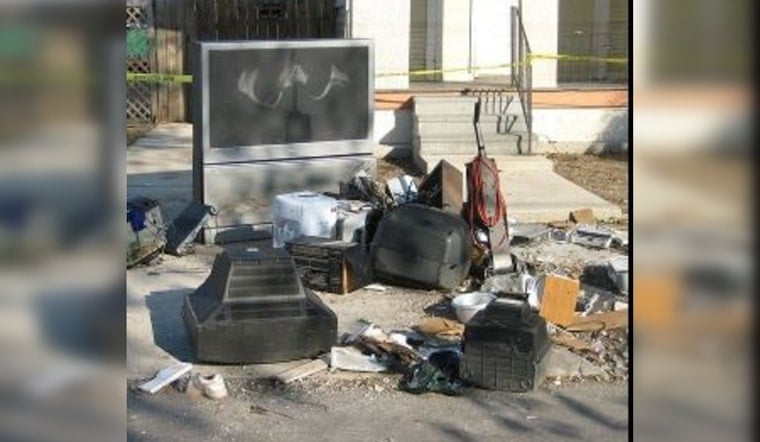
Residents of Apple Valley are being called upon to take a stand against the various public nuisances that can degrade the quality of life in their community. According to a recent announcement by the city, there is a push for locals to maintain properties and rapidly address issues ranging from wastewater runoff to the accumulation of refuse that may pose risks to the overall well-being of the neighborhood. As outlined on the City of Apple Valley's website, some of the defined nuisances include obstructive tree limbs, stagnant water, and overgrown vegetation.
For those unsure about what constitutes a nuisance, or how to remedy one, the city's code enforcement office has outlined specific conditions. These issues not only affect the aesthetic appeal of the area but also can have real implications for residents' safety and health. For instance, overhanging branches and low-hanging wires can be hazardous, and the accumulation of rotting food can attract vermin. Notably, grass and rank vegetation over 8 inches in height are included on the list, prompting homeowners to keep their lawns trimmed and tidy.
The city authorities are not merely issuing guidelines; they are enabling residents to take actionable steps. If locals identify any public nuisance, they are encouraged to report it by contacting Code Enforcement directly. The announcement provides both a phone number (952.953.2571) and an email address ([email protected]) for this purpose. The swift reporting and resolution of such issues are essential to maintaining the standard of living that residents expect and deserve in Apple Valley.
It is evident that the municipality is committed to not only addressing existing nuisances but also to preventing the establishment of new ones. This necessitates a cooperative effort between the city's services and its citizens. Alongside these efforts, the Metropolitan Mosquito Control link is a resource for understanding the significance of managing stagnant water, which is critical in controlling mosquito populations and reducing the related health risks. Compliance with these measures is presented not simply as an obligation but as a shared responsibility in the efforts to sustain the common good of the community.





