

























































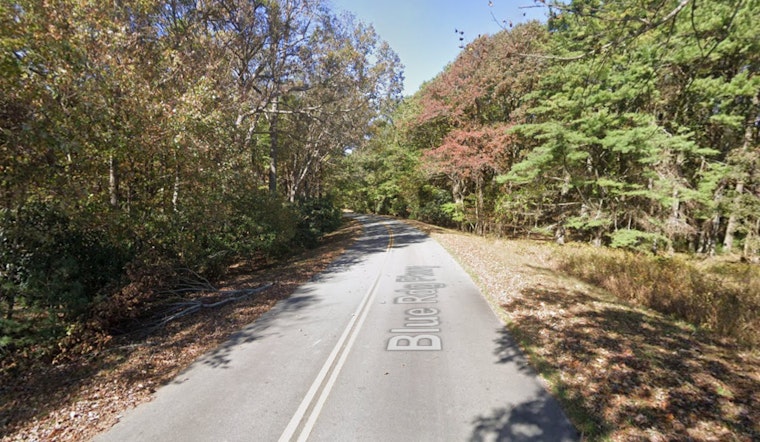
After months of recovery and repairs following extensive damage from Hurricane Helene, a 12-mile section of the Blue Ridge Parkway has been reopened, the National Park Service confirmed. This restored stretch, running from milepost 305.2, near Beacon Heights and U.S. 221, to milepost 317.5, at U.S. 221 at the Linville Falls community access point, marks a significant step forward as the region still grapples with the aftermath of the storm. According to officials cited by WCNC, the opening of this road section is "the first of multiple openings expected in the coming weeks and months."
While this new section has been made accessible to the public, surrounding amenities such as the Linville Falls Spur Road, campground, picnic area, and visitor center remain closed due to sustained damage. WYFF4 reports that over 57 landslides were identified along almost 200 miles of parkway in North Carolina, highlighting the scale of the challenge faced by the recovery crews since the fall of 2024.
Efforts to resuscitate the landscape and infrastructure have been structured into three major phases, ensuring an organized approach to restoration. "Phase 1 addresses 12 repairs across eight regions," notes WCNC, offering hope that over 48 miles of the parkway will be restored for use by summer and fall 2025. Phase 2 targets 21 landslide sites primarily between milepost 318.2 and 323.4, which officials expect to complete by fall 2026.
Looking ahead, planning for Phase 3 is currently under way, which promises repair works on over 23 sites situated between milepost 336.7 and 351.9, weaving through sections between Little Switzerland and Mount Mitchell. As detailed by Spectrum Local News, this phases system implemented by officials is designed to provide visitors access to previously closed stretches more swiftly and to facilitate contractor access to areas hitherto unreachable due to damages.
Blue Ridge Parkway officials are urging the public to heed remaining road closures for their safety, emphasizing that both visible and latent hazards persist in closed sectors. They also caution that trail assessments are ongoing, and visitors should anticipate potential risks, such as landslides, fallen trees, and washed-out bridges or paths.





