

























































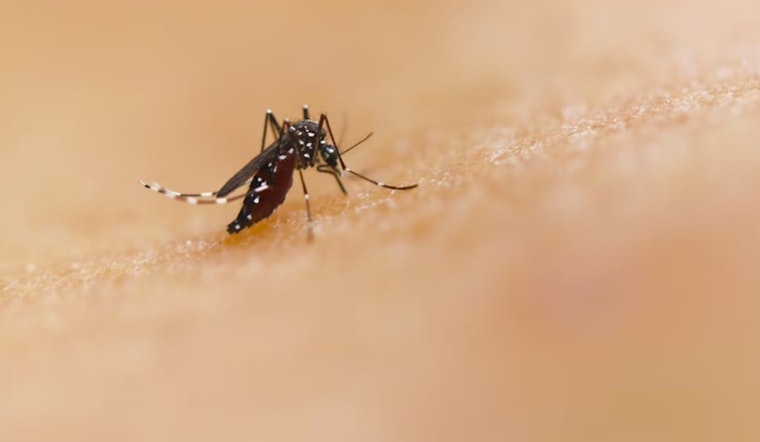
Boston residents are on notice after local health officials reported the season's first detection of West Nile Virus in mosquito populations from West Roxbury and Hyde Park. The Boston Public Health Commission (BPHC) confirmed that two mosquito test samples had tested positive, according to the City of Boston website. While there haven't been any cases in humans reported so far, and the risk of transmission remains low, the BPHC isn't taking any chances and is urging the public to employ preventive measures against mosquito bites.
As the summer brings along the familiar buzz of mosquitoes, BPHC is doubling down on advice to keep the pesky insects at bay. Residents are advised to eliminate standing water, a known breeding ground for mosquitoes. This includes clearing out birdbaths, unused flowerpots, and ensuring that rainwater isn't collecting in places like old tires or kiddie pools. Keeping gutters clean is also part of the prevention strategy, along with minimizing exposure during peak mosquito hours, from dusk till dawn. Dr. Bisola Ojikutu, Commissioner of Public Health for the City of Boston, stressed the importance of these precautions: "This time of year, I encourage everyone to take steps to protect themselves against West Nile Virus and other mosquito-borne illnesses," she told the City of Boston website.
The health recommendations extend to personal protection as well. The BPHC suggests wearing long clothes and socks for skin coverage, and recommends the use of EPA-approved insect repellents with active ingredients like DEET or oil of lemon eucalyptus. Additional suggestions include ensuring window and door screens are intact, without holes that could allow the entry of mosquitoes trying to sneak into houses uninvited.
While the majority of West Nile Virus cases are asymptomatic, the BPHC warns that infection can lead to symptoms such as headaches, nausea, and, in serious instances, neurological issues like muscle paralysis – particularly in those over 50. Anyone presenting with signs of a severe infection is urged to seek immediate medical attention. The public health department also details that most people with mild symptoms typically recover on their own; nevertheless, no one should take chances when their health is on the line. Keeping informed about WNV and other mosquito-borne diseases is crucial, and more information is available on the BPHC website.





