

























































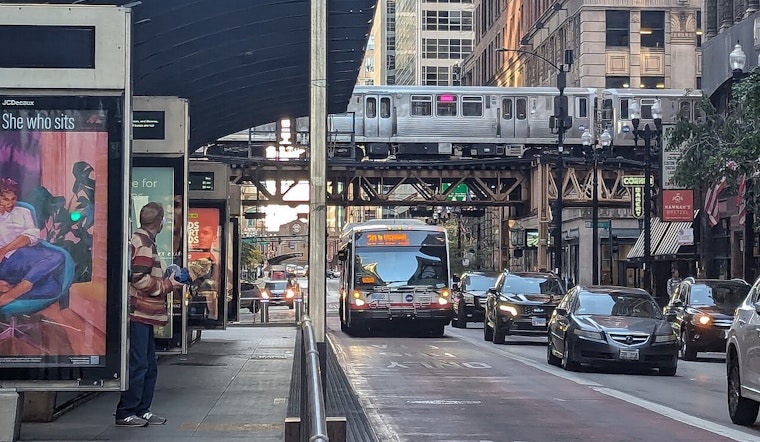
As Illinois stares down a multimillion-dollar fiscal cliff, the call for public transit funding grows louder in downtown Chicago. A rally on Saturday signaled the urgency of the situation, with citizens and transit advocates demanding that state lawmakers convene a special summer session to secure the necessary $770 million. The looming shortfall comes as federal COVID dollars, which bolstered transit systems like CTA, Metra, and Pace, are on the verge of drying up, as reported by NBC Chicago.
The potential cuts threaten more than convenience; they raise concerns over quality of life issues onboard the trains, such as smoking and crime. "So if I ride the trains, need to make sure it’s clean, need to make sure it’s safe, make sure the service is good," one rider expressed in a statement obtained by NBC Chicago. If additional funding fails to materialize, warnings have surfaced of impending station closures and termination of bus routes, usher in potential layoffs, and service cuts.
In a similar vein, transit workers gathered Wednesday in the Loop's northwest corner at LaSalle and Wacker to amplify awareness, according to CBS News Chicago. The fiscal crisis, which could escalate to significant service cuts and layoffs, is expected to affect a broad demographic spectrum, from children to the elderly. The Regional Transit Authority is facing a $770 million shortfall, with a looming end-of-May deadline to pass funding before the next fiscal year commences in 2026.
Illinois lawmakers indicate progress toward a funding agreement aimed at preventing these stark measures. However, the bill persists in limbo within the General Assembly, which has its session concluding on May 31. Advocates point out the integral role of transit systems in preventing fragmented communities. "We need to protect systems that bring us together and not keep us separated in bumper-to-bumper traffic on the highway," Dr. Chloe Groome with Strong Towns Chicago told NBC Chicago. Similarly, Evanston Mayor Daniel Biss underlined the symbiotic relationship between suburbs and transit infrastructure: "Suburban mayors should be at the front of the parade demanding funding for transit because the suburbs would not operate with transit," he said.
This financial predicament comes after the defeat of a proposed special tax on food and package deliveries that would have contributed funds for mass transit. The solution to closing the nearly billion-dollar gap remains uncertain, leaving stakeholders and residents in a suspension of ever-mounting concern and anticipation for a resolution.





.jpg)