

























































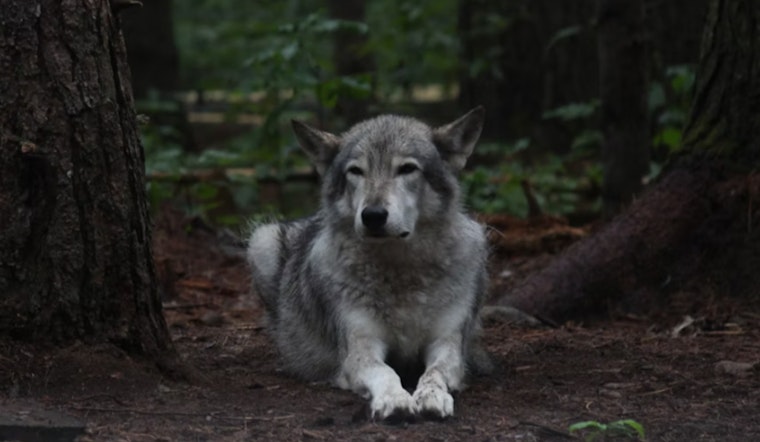
The debate over wildlife management heated up in Cochise County after officials passed a resolution criticizing the Mexican Gray Wolf reintroduction program. Voted unanimously, the decision reflects the county's reservations about the way the program has been administered. According to a statement from the Board Chair Frank Antenori, "This resolution reflects opposition to the way this program was rolled out and it reflects that we’re asking that the ranchers be duly compensated for their loss; their actual loss, not 75% of the value," as per the Cochise County.
Despite the criticism, Cochise County continues to actively support the Arizona Game and Fish Department’s Range Rider Program. Their contribution, passed down through the Eastern Arizona Counties Organization, aims to proactively reduce interactions between cattle and wolves. To effectively minimize these encounters, range riders are employed to spend time in high-conflict zones, a measure that has led to a reported decline in depredation events since its commencement.
Kathleen Gomez, District 2 Supervisor, highlighted the necessity for practical measures, iterating that "The Range Rider funding is one of the few tools we have to protect ranching families and their livelihoods." She further emphasized the flaws in the wolf reintroduction program, lamenting the lack of initial prey analysis which she argues sets up the wolves and ranchers for conflict, as stated by the Cochise County.
Endorsing conflict-reduction strategies, Clay Crowder, AZGFD Assistant Director for Wildlife Management, acknowledged the positive impact of the contributions from ECO counties, stating that "these contributions from ECO counties are making a real difference on the ground." The funds will continue to support range rider operations, specifically in areas with elevated conflict, to lessen the economic strain on local ranching businesses while attempting to foster stronger relations between wildlife managers and landowners, as reported by the Cochise County.





