

























































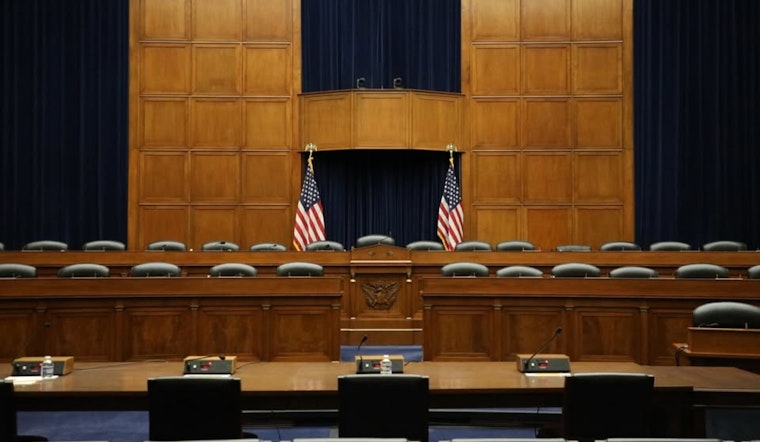
At a recent hearing of the Subcommittee on Government Operations titled "Bid Protest Reform: Understanding the Problem," members of Congress delved into the intricacies of the bid protest process, exposing inefficiencies and potential avenues for improvement. As per the hearing's key points gathered by the Oversight House, policymakers are now considering legislative tweaks to address concerns over cost, delay, and misuse within the existing framework. Make no mistake, the gears of government churn slowly, but they aim to grind towards a more transparent and accountable procurement system.
Sifting through the testimony, Christopher Yukins, a research professor at George Washington University Law School, underscored the dual role that protests play, asserting that protestors in essence serve as whistleblowers on fraud, waste, and corruption. Yukins warned Congress to carefully navigate reforms, noting that "Impairing protests, in essence, [discourages] whistleblowers, would undermine bid protests core goals." According to Yukins, protests not only build confidence in competitive bidding but also spotlight managerial oversights. His perspective pushes back against the assumption that protests are simply a thorn in the side of expedient government operations.
Despite accusations of protest abuse, attorney Zach Prince pointed out that the U.S. Government Accountability Office (GAO) often sides with protestors, signaling that claims frequently have merited bases. Prince told the subcommittee, "[In] more than half of protests, there’s enough of a perception of a significant error that [the U.S. Government Accountability Office] either rules in favor of the protestor or recommends the agency that they take action in favor of the protestor, or the agency takes the opportunity to do so itself." This fact seems to counterbalance the narrative of rampant system gaming and underlines the necessity of a robust protest mechanism to keep governmental actions in check and transparent.
In terms of actionable reform, Ken Patton of the GAO proposed that Congress might need to consider the implementation of punitive measures for insubstantial protests. He suggested allowing the Department of Defense to recoup or otherwise withhold profit or fee from where an incumbent contractor filed a protest that is dismissed as legally or factually insufficient. In a similar vein, reimbursing DOD costs in the face of frivolous protests looms as another potential deterrent. Patton's suggestions advocate for a sharper tool in the bid protest process toolbox, one that could maybe reduce groundless filings.
Meanwhile, Prince also highlighted the importance of fine-tuning current legislation to enhance fairness, particularly for small businesses and new market players. He called for Congress to expand the protest remedy and cut off meaningless disputes about venue by extending jurisdiction areas and providing clearer guidelines for other transaction authority-based protests. As Prince noted, such measures would ensure fair spending of public funds and grant smaller entities a meaningful seat at the table in the competitive bidding arena.





