

























































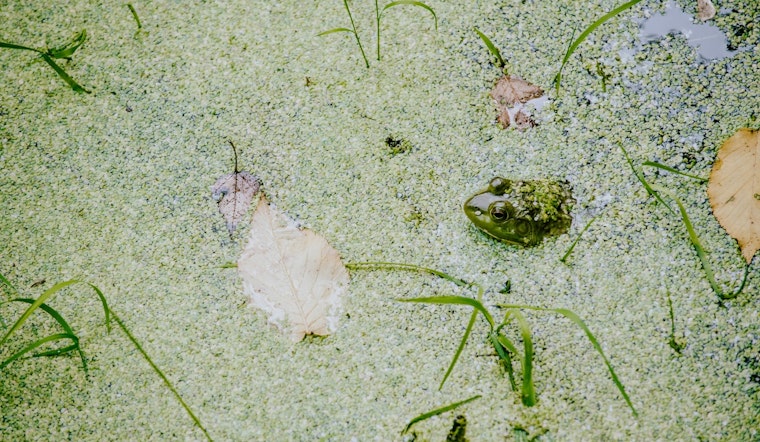
In a world where urban sprawl continues to encroach on natural ecosystems, it's refreshing to encounter a plant like duckweed, which thrives in still waters across marshes and ponds. According to a recent briefing by the City of Bloomington, Minnesota, duckweed is the smallest known flowering plant known to exist. This diminutive flora, often mistaken for algal bloom, forms a verdant veneer across water surfaces, harboring far more significance than its unassuming presence might suggest.
The City of Bloomington briefed residents on the varieties of duckweed present in the local ecosystem, identifying two species of true duckweeds in Minnesota that have two to three oval-shaped leaves, and a solo act known as watermeal with just a single leaf. Despite their size, these plants hold the distinction of producing the smallest blooms, which, albeit a rarity, do grace the waters with their minute presence. The ability to quickly double their size in a mere two to three days places duckweed among the planet's fastest-growing plants — an astonishing feature for such a seemingly modest organism.
Local fauna, including ducks, fish, and frogs, doesn't merely overlook these floating specks; for them, duckweed represents a vital source of nourishment and refuge. It's noted by the city that duckweed effectively functions as a "floating buffet" for these creatures, underscoring its ecological importance despite its minuscule stature. Yet, the proliferative nature of duckweed also means that without proper environmental stewardship, it could dominate aquatic environments to the detriment of biodiversity and water health.
In dealing with the explosive growth of duckweed, the City of Bloomington encourages residents to curb nutrient runoff, a key contributor to the rampant propagation of this plant. By adopting a drain, as suggested on the city's website with a program designed to "help keep ponds balanced and healthy," residents can proactively engage in the protection of local waterways. Furthermore, planting native vegetation along shorelines fortifies the ecosystem and assists in maintaining the delicate equilibrium within pond habitats.
For more information on how to engage with preservation efforts and learn about the benefits of native plants, visit the City of Bloomington's briefing on duckweed.



