

























































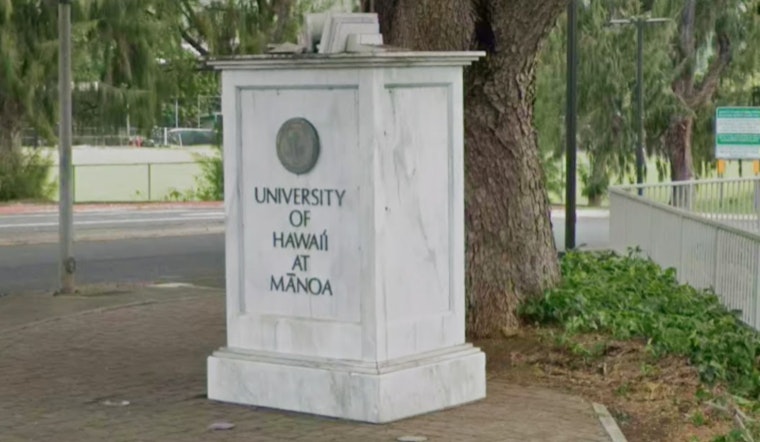
University of Hawaiʻi community college students may lose access to federal loans under a new policy. According to Civil Beat, the rule requires colleges to show that graduates earn more than those with only a high school diploma. The change follows the signing of the federal budget reconciliation act by President Donald Trump. The policy is aimed at addressing concerns about student loan debt and the job market value of certain degree programs.
A new federal policy requires that programs whose graduates fail a wage comparison test twice within three years will lose eligibility for federal student loans. An analysis by American University’s Postsecondary Education & Economics Research Center found that about 17% of University of Hawaiʻi community college students are in programs at risk, especially in fields like early childhood education where wages are typically low. For bachelor’s degree programs in the University of Hawaiʻi system, only 2% face possible ineligibility, as graduates generally earn higher wages. “I don’t think less education in general is a good thing,” said Rachel Inafuku of the University of Hawaiʻi Economic Research Organization, as reported by News from the States.
Community college students in health-related fields may have strong job prospects, with some earning six-figure salaries a few years after graduation, while other programs report median incomes below the $34,200 earned by Hawaiʻi high school graduates aged 25 to 34 in 2022, U.S. Department of Education data shows. University of Hawaiʻi communications director Dan Meisenzahl said the impact of the new federal loan policy is uncertain, noting that less than 10% of University of Hawaiʻi community college alumni graduated with federal loan debt in 2024. Early childhood educators continue to face low wages, and University of Hawaiʻi Mānoa faculty member Theresa Lock said higher wages and more affordable college could help address the issue. Enrollment in associate degree programs has also declined, dropping from nearly 25% in 2016 to 17% in 2023.




