


























































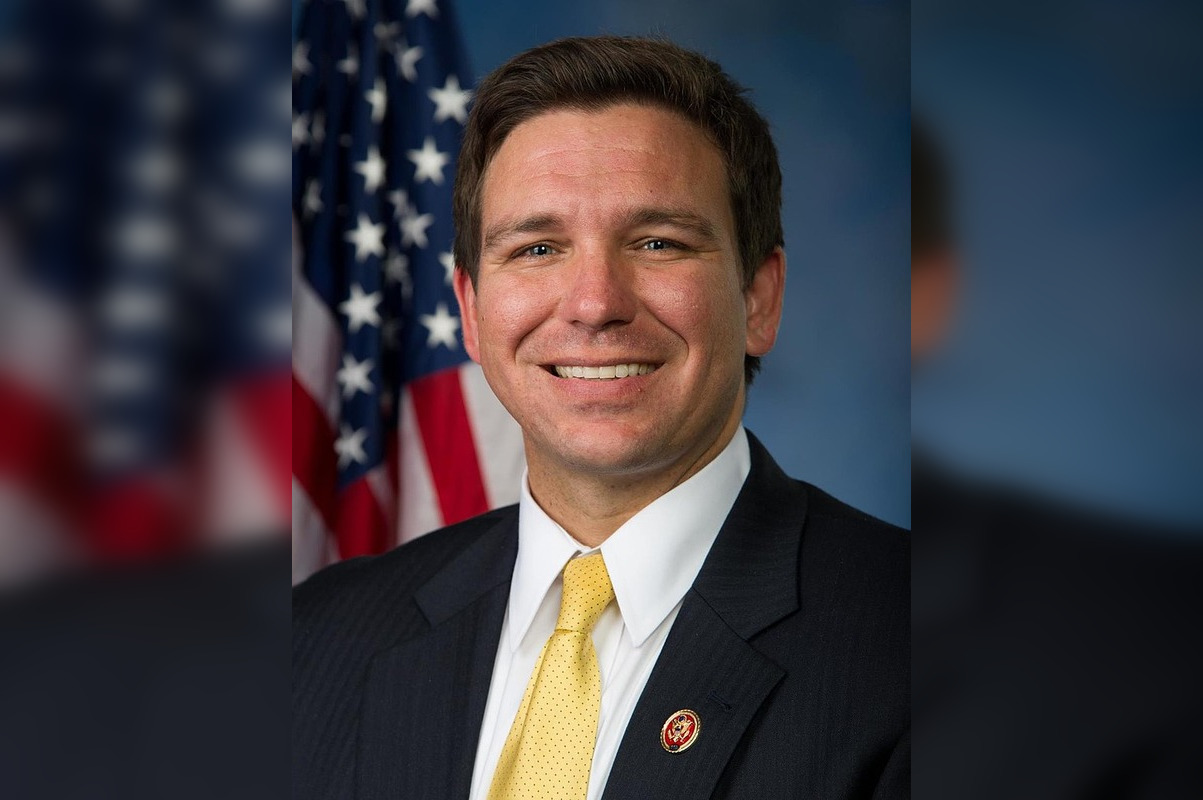
Florida has officially eliminated high-occupancy vehicle (HOV) lanes statewide as of July 1, 2025, through the enactment of Senate Bill 1662, signed into law by Governor Ron DeSantis. Section 7 of the comprehensive 243-page transportation legislation specifically states "Section 316.0741, Florida Statutes, is repealed," effectively eliminating the legal framework that established and governed high-occupancy vehicle lanes throughout the state.
The bill's summary explicitly identifies the legislation as "repealing s. 316.0741, F.S., relating to high-occupancy-vehicle lanes," marking the end of a decades-long policy designed to encourage carpooling and reduce traffic congestion. According to Boca News Now, the decision appears to have caught even the Florida Department of Transportation off guard, with officials scrambling to provide clarity on the law's implementation.
Impact on Thousands of Drivers
The law change significantly affects over 25,000 Florida drivers of hybrid and electric vehicles who previously enjoyed special access to HOV lanes through state-issued decals. According to WPBF, these drivers were allowed to use HOV lanes regardless of passenger count, a privilege that ended with the new legislation.
Palm Beach County Tax Collector Anne Gannon announced that her office ceased issuing HOV decals effective June 30, 2025. "My goal is to inform Palm Beach County vehicle owners of this change to avoid unnecessary calls into our office questioning their HOV decal," Gannon stated in a public announcement.
The 95 Express System at Stake
Florida's most prominent HOV system, the 95 Express lanes, represents hundreds of millions of dollars in infrastructure investment. The system extends approximately 22 miles between I-395 in downtown Miami and I-595 near Fort Lauderdale, with plans for further expansion into Palm Beach County.
According to the 95 Express website, the managed lanes facility converted former HOV lanes into express lanes using dynamic pricing that fluctuates based on traffic demand. Carpools with three or more passengers, registered hybrid vehicles, and emergency vehicles previously traveled these lanes toll-free.
Mixed Public Reaction
The decision has generated significant controversy among Florida residents and transportation experts. As reported by Local10, existing exemptions will remain valid until their current expiration dates, but no new registrations or renewals will be accepted.
Public reaction on social media and news comment sections reveals sharp divisions. Some residents view the change as eliminating confusing regulations that were frequently violated, while others see it as wasteful destruction of beneficial infrastructure that reduced congestion and generated state revenue.
Broader Transportation Trends
Florida's decision runs counter to trends in other states, where HOV lanes remain popular congestion management tools. According to the Alternative Fuels Data Center, states like Arizona, California, and Virginia have actually expanded their HOV programs, though some have transitioned to high-occupancy toll (HOT) lanes that allow solo drivers to pay for access.
The elimination comes as federal provisions allowing alternative fuel vehicles in HOV lanes are set to expire on September 30, 2025, creating additional uncertainty for electric vehicle owners nationwide.
Future of Express Lanes
While SB 1662 eliminates HOV designations, it doesn't specifically address express lanes, leaving open the possibility that current HOV infrastructure will continue operating as toll-only facilities. BocaNewsNow reports that existing HOV decals will remain valid for up to one year from their issue date, providing a transition period for affected drivers.
The Florida Department of Transportation has not yet issued comprehensive guidance on how existing express lane operations will adapt to the new legal framework, though toll collection for most users is expected to continue unchanged.
Legislative Context
SB 1662 is a comprehensive 243-page transportation bill that addresses numerous aspects of Florida's transportation infrastructure beyond HOV lanes. The legislation also creates the Florida Transportation Research Institute, modifies airport regulations, and adjusts various transportation funding mechanisms.
The bill's passage reflects broader Republican policy priorities, with critics suggesting the HOV repeal represents part of a continued political stance against electric vehicle incentives and environmental initiatives.
The change positions Florida as an outlier among states with significant urban congestion, as most continue to view HOV lanes as effective tools for managing traffic flow and encouraging alternative transportation modes. Transportation officials and lawmakers have not provided public explanations for why eliminating HOV lanes was deemed beneficial for Florida's transportation network.





