

























































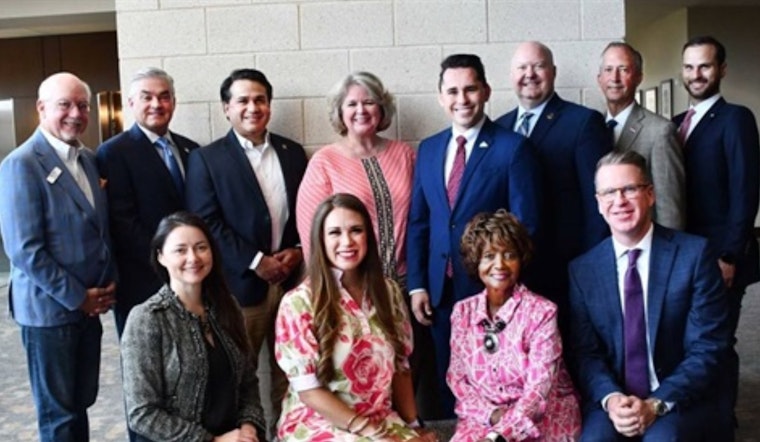
Fort Worth’s city leader, Mayor Pro Tem Carlos Flores, has just secured a spot on the executive board of the North Central Texas Council of Governments (NCTCOG), a pivotal organization that influences regional development and planning. With his tenure as Council District 2 representative since 2017, Flores brings a wealth of experience to this new role. His appointment is a notable addition to the board, especially since he's a Fort Worth native who intimately knows the city's history and its growth potential.
Alongside his engineering background, with a major in aerospace engineering and a minor in fine arts from the University of Texas at Austin and the University of Texas at Arlington, Flores’s diverse educational background could provide a fresh perspective in approaching NCTCOG's complex challenges. The City of Fort Worth announced Flores's appointment, marking another chapter in his ongoing service to the Fort Worth community. However, his distinct background isn't the only thing that stands out in NCTCOG's latest assembly.
During the 59th annual General Assembly at the Hurst Conference Center, Burleson Councilmember Victoria Johnson was elected as president of the 17-member NCTCOG executive board for the upcoming year. This election signifies a shift in leadership and perhaps a new direction for the council as it tackles regional issues, ranging from transportation to environmental planning. The NCTCOG, since its inception in 1966, has aimed to foster collaboration among the local governments within the 16-county region of North Central Texas centered around Dallas and Fort Worth.
As reported on the City of Fort Worth's official website, the NCTCOG executive board for 2025-26 includes a diverse group of representatives, such as Plano Councilmember Rick Horne, Prosper Mayor David Bristol, Dallas Councilmember Cara Mendelsohn, and others who collectively represent the complex tapestry that is North Texan governance. Their collective efforts aim to streamline regional development and enhance the quality of life for residents through strategic planning and inter-local cooperation. Despite the unique challenges they face, the board remains committed to addressing the needs of their constituents holistically.





