

























































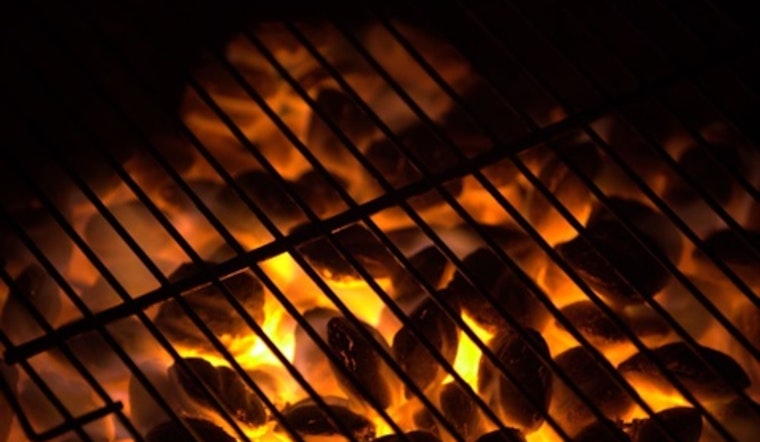
With summer in full swing, backyards and parks are again echoing with the familiar sizzle of grills. But grilling season carries with it a lesser-discussed responsibility: the safe disposal of used charcoal. As reported by the City of Fort Worth, mishandled charcoal can be a fire hazard, threatening not just those flipping the burgers but also the wider community, including sanitation workers.
According to the City of Fort Worth, it's not just about dousing the flames but making sure they won't reignite. Leftover coals should cool for no less than 48 hours before they're handled, a precaution ensuring they don't surprise you with residual heat. Once you've given them time to sit, the next step is to drench them thoroughly in water. This may seem like a small gesture, but it's a shield against unforeseen sparks that could bring a fiery guest to what was once a gathering of camaraderie and good cheer.
The process doesn't stop at waterlogging, however. To further guard against any chance of rekindling, the City of Fort Worth advises that the next move is to "remove and wrap soaked coals in aluminum foil." Only then, swaddled in their silvery package, are they ready to join the refuse in your brown garbage cart. It's a simple sequence of actions, but each one is a stanza in the poem of precaution.
These steps, though they may add a few minutes to our post-barbecue routine, stand as non-negotiable for those who prioritize safety and responsibility. Each summer, we are afforded the luxury to commune over open flames, to sear and to season, to revel in the smoke that is flavor's harbinger, but let us not forget the duty that accompanies the joy of grilling. Taking the time to properly dispose of our used charcoal, we honor the very essence of our gatherings—respect and protection for those we hold dear and the community that surrounds us.





