

























































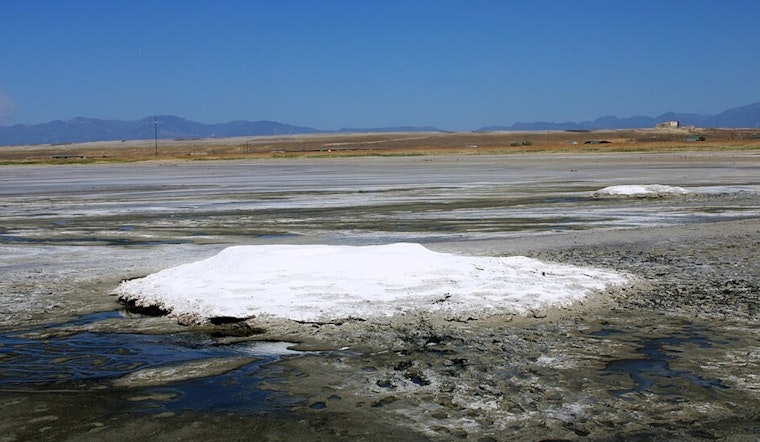
The Great Salt Lake, a crucial component of northern Utah's ecology and economy, is once again making headlines with its alarming water levels. Recent reports indicate that the lake has returned to what is categorized as an "appalling" level. As stated by the director of the Utah agency managing the lake's stewardship, this significant drop in water level returns us to a precarious benchmark that previously raised concerns for the region's well-being. KSL noted, however, that there is at least a temporary "silver lining" to be found amid these troubling conditions.
With the lake's shrinking expanse comes heightened public health risks, such as the potential for hazardous dust storms containing arsenic and other minerals. These are natural components of the lake's composition that, under safer circumstances, remain harmlessly submerged. This environmental crisis is also a trigger for forced conservation measures as mandated by recent legislative actions. Under the new laws, businesses engaged in mineral extraction on the lake, like Compass Minerals, have agreed to responsibly reduce their water usage, as effectively reported by FOX 13 News.
However, it is not just the mineral companies that must adjust their sails. The ecological ramifications extend far beyond the economic sphere. The lake's waning waters also have concerning implications for the area's wildlife. The dwindling water edges closer to disclosing microbialites, crucial constituents of the lake's ecosystem. These organic deposits anchor a food chain that sustains millions of migratory birds. Additionally, a salinity surge harmful to the indispensable brine shrimp population threatens to unravel the threads of this delicate ecological tapestry, impacting both biodiversity and the lucrative brine shrimp fishing market. The scenario paints a bleak picture for junior water rights holders in the area who, according to Idaho Capital Sun reporting, will see less water at their disposal this year.





