

























































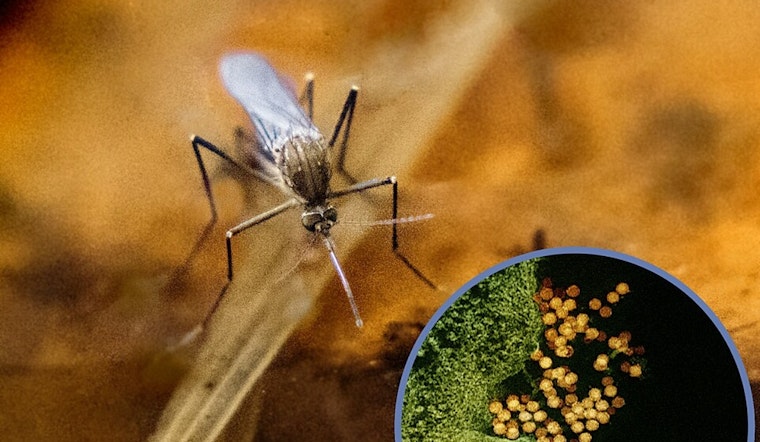
Mosquitoes in Hamilton County have tested positive for the West Nile virus, prompting local health authorities to initiate a controlled response in an effort to prevent the spread to humans, as reported by LOCAL12 News. The first positive case of the year for these mosquitoes came from Wyoming, with Hamilton County Public Health (HCPH) confirming no current human infections but starting larvicide treatments yesterday, targeting standing water where mosquitoes breed, according to the information provided by CityBeat.
The HCPH director of environmental health, Jeremy Hessel, emphasized the rapid breeding capabilities of mosquitoes, stating, "The entire life cycle can happen within seven days from egg to adult," and encouraged property owners to check for water accumulation and take preventative measures, as explained by LOCAL12. Residents may also expect information from the health department about mitigating mosquitoes on their property, capturing the winged nuisances with strategically placed traps, Hessel and his team analyze the trapped specimens to monitor for West Nile's presence, a procedure described by Hessel in the previous report.
Proactive steps by individuals are also essential. The HCPH recommends avoiding outdoor activities during peak mosquito times, using EPA-registered insect repellent, and wearing protective clothing in mosquito-heavy zones, according to a WLWT publication. In homes and apartments, the installation and maintenance of appropriate screens are advised to keep these pests from indoor encroachment.
While the health department handles the more extensive measures of larvicide treatment, residents also play a frontline role in disrupting these insects' reproductive cycles by adding water features or fish to ponds or using mosquito dunks to prevent larvae from maturing into biting adults, the techniques elaborated on by Hessel in both the local12.com and CityBeat reports, important for ecological balance and health safety.
While the current situation does not involve human cases, it remains crucial for the public to recognize West Nile virus symptoms, which can range from fever and headaches to more severe neurological effects in rare cases, as noted by the WLWT report. HCPH continues to monitor the situation, and residents are urged to stay informed, vigilant, and proactive to ensure that this mosquito concern flutters out before further issues can arise.





