

























































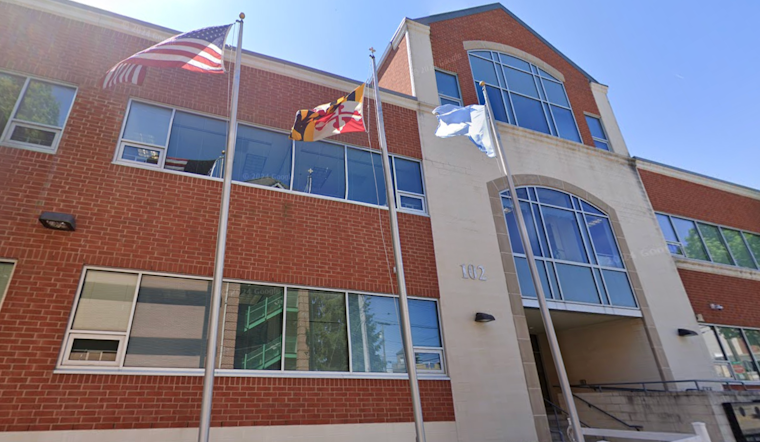
In Harford County, Maryland, the county's Board of Education's decision to remove the controversial graphic novel "Flamer" by Mike Curato from school libraries has sparked intense debate within the community. CBS News Baltimore reported that the move has faced opposition from parents and teachers, who argue that the ban is a threat to student rights and book accessibility.
At the heart of the contention is "Flamer," a book about a teenage boy's journey through self-discovery and dealing with challenges such as bullying and sexual identity. While some parents, like Suzie Scott from the Moms for Liberty group, feel the book's content is too explicit for young readers, others believe the book offers a critical perspective for youth, especially those grappling with similar issues. One member of Moms for Liberty, unnamed in a CBS News Baltimore report, argued that the school's role is to educate, saying, "The job of the public schools is to teach our students what they need to know to be literate, not to train up radicals to protest and find their voice."
The Harford County Board of Education voted 5-3 in favor of removing the book, following a parent's formal appeal and a review process that had been nearly two years in the making. Board President Aaron Poynton defended the decision, stating, "This language is not suitable for younger children in schools," as reported by CBS News Baltimore. The board cited language and mature themes as reasons the book would garner an "R" rating in movie theaters, and therefore, it's inappropriate for the targeted grade levels.
However, advocates for the book's presence in schools have raised concerns about the ban's impact, especially on the principles outlined in the Maryland Freedom to Read Act. According to an interview with WBAL-TV, Delane Lewis, president of Together We Will Harford County, emphasized the importance of accessibility to diverse narratives for all students, regardless of background or identity.
The situation highlights the ongoing nationwide conversation about what is deemed appropriate for school-age children to read, and who gets to decide on the balance between protecting innocence and encouraging intellectual freedom.



