

























































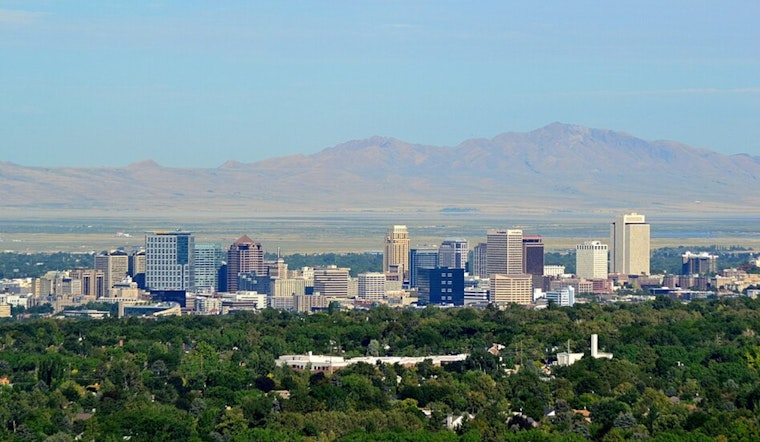
In a typical fashion of the arid climate of Utah's capital, Salt Lake City presents its residents with a stretch of sunny, dry days ahead. According to the National Weather Service, the clear skies are a constant over the valley with a forecast high nearing 98 degrees today. The humidity, however, stoically remains low, sitting at 23 percent as of the last update on July 30th at 5:20 AM MDT.
Tonight's conditions are set to remain mostly clear, with temperatures gently dipping to a low around 67 degrees, and a consistent southwest wind shifting to an east southeast direction after midnight. Across the ensuing days, the pattern holds steady, the city's residents can brace for more sunshine and high temperatures dancing in the mid-90s. Southeast winds are expected to oscillate throughout the day, providing a modicum of relief from the heat.
The trend of mostly clear nights is not breaking anytime soon, with lows averaging in the mid to upper 60s this coming week. Thursday and Friday nights, specifically, are forecasted to hover around 66 and 67 degrees, respectively, with winds shifting from southwest to southeast after the sun dips below the horizon. Those planning late evenings outdoors will find a respite in these slightly cooler temperatures.
Looking toward the weekend, the script remains unchanged: sunny days with highs in the low 90s, transitioning to mostly clear nights as the temperatures withdraw to the 60s. Saturday is sunny, with a high near 93, according to the National Weather Service, followed by a night that is predicted to be mostly clear with a low around 64. This is a summer cadence that has proven predictable for Salt Lake City's meteorological rhythm.
The extended forecast into early next week offers no plot twists in the weather narrative. Monday and Tuesday are expected to be predominantly sunny with high temperatures hovering near 93 degrees. For those looking for some variety, the evenings will present themselves as partly cloudy, yet the deviation is slight; the mercury is slated to dip no lower than the mid-60s.





