

























































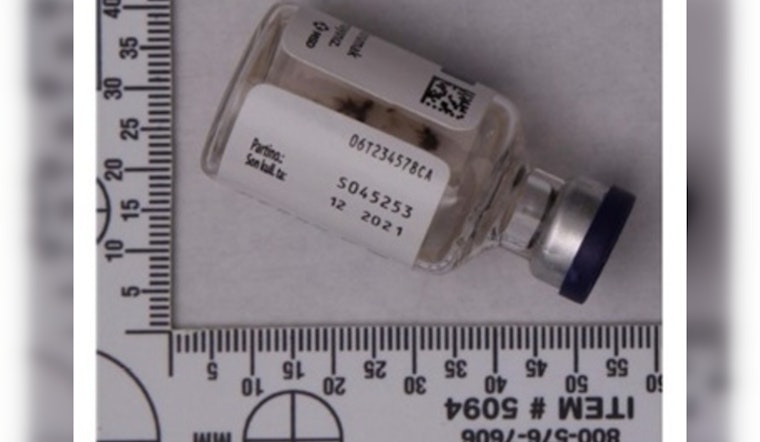
Two Indian nationals, Avanish Kumar Jha and Rajnish Kumar Jha, have been sentenced to 30 months in prison each for smuggling counterfeit and contaminated drugs into the United States, including a faked version of the cancer drug Keytruda. This information comes from an announcement by Acting U.S. Attorney Teal Luthy Miller, as reported by the U.S. Attorney’s Office for the Western District of Washington.
The Jha brothers, aged 39 and 36, were arrested in Singapore and extradited to the U.S. earlier this year following a 2022 indictment. In court, U.S. District Judge Ricardo S. Martinez highlighted the severity of the crime, stating, "The issue here is the introduction of adulterated drugs to people who think they are getting lifesaving drugs… This activity has so much risk to cause harm," as noted by the U.S. Attorney's Office. The investigation into their company, Dhrishti Pharma International, unveiled that they were shipping drugs that were either counterfeit or contaminated, accepting payments through wire transfers, and having intermediaries collect cash payments within the United States.
As detailed by the U.S. Attorney’s Office, the investigation by the FDA and ICE began after some internet postings hinted at the fraudulent activities. The undercover agents discovered that the so-called Keytruda sent to them was nothing more than over-the-counter heartburn medicine labeled as the cancer-fighting drug. "The defendants made hundreds of thousands of dollars while defrauding people who were clinging to hope that a late-stage cancer medication could extend their life," Acting U.S. Attorney Miller expressed.
Assistant United States Attorney Philip Kopczynski, who requested the 30-month sentence, stated that exporting fake medications is a heartless act that deprives sick individuals of any chance for relief. His argument underscores the innate callousness of profiting from the desperation of cancer patients under the pretense of providing a lifesaving medication. In August, the court will consider whether to impose an additional $81,596 in restitution to Merck, the legitimate maker of Keytruda, for the cost incurred by testing the fraudulent drugs.
The Jha brothers' sentencing sends a clear signal to others who might contemplate similar actions, with Judge Martinez emphasizing the importance of deterrence. "It is important to send a deterrence message to anyone who might send adulterated drugs into any country," he said. The case showcased the effectiveness of international cooperation among law enforcement agencies, including significant assistance from Singaporean authorities. The investigation was carried out by the FDA's Office of Criminal Investigations and ICE HSI, and prosecuted by the U.S. Attorney’s Office, according to the same press release.





