

























































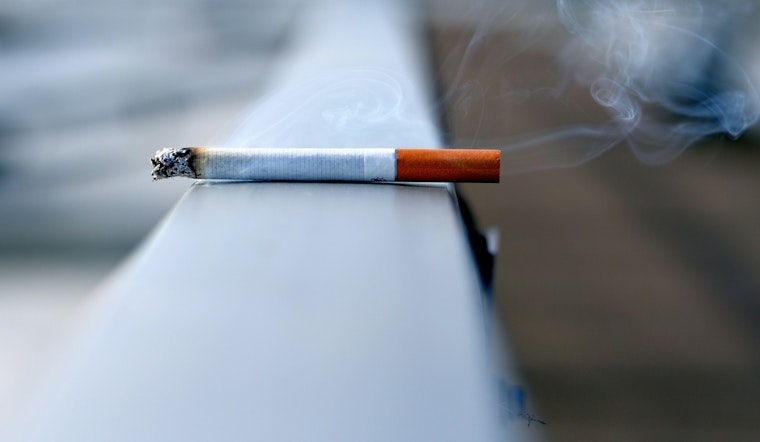
Hoosiers are preparing to adjust their budgets as the Indiana cigarette tax is poised to hit $3 per pack starting today, a spike deemed excessive by many residents. This 200% increase is seen by some as a punitive action disproportionately landing on the shoulders of the working class. "That’s too much," Laura Shenkins expressed her dissatisfaction in a statement obtained by News 8. The tax hike, as stated by IndyStar, has businesses concerned about potential cross-border sales, with store owners in a letter warning that it could "drive consumers across state lines to purchase cigarettes at lower prices, which negatively impacts sales of responsible small Indiana business owners."
The increase was approved earlier in the year as part of an effort to tackle a $2 billion budget deficit, despite the protests of hundreds of business owners. However, proponents such as the American Cancer Society and the Indiana Chamber of Commerce argue the spike will not only garner needed state revenue but also act to encourage Hoosiers to quit or avoid taking up smoking. "Along with revenue comes a really pretty good public policy that was going to help persuade people to either not start smoking or stop smoking at the same time," said Indiana Sen. Pro Tempore Rodric Bray in an April statement provided to IndyStar.
The hike places Indiana among the ten states with the highest taxes on cigarettes. With declining cigarette use in Indiana cited by the state health department, the increase further distinguishes Indiana's rates from its neighbors', being higher than any of the bordering states as reported by IndyStar. This disparity sparks concerns among business owners like Joe Lackey, the president of the Indiana Grocery and Convenience Store Association, who told IndyStar that the tax jump puts Indiana "in a place to actually lose revenue" as consumers may opt to take their business to neighboring states.
While the increase is expected to generate approximately $800 million over two years for Indiana's Medicaid program, there are mixed feelings among residents about its impact. "I’m gonna keep on smoking the way I smoke because I like to smoke," Shenkins declared to News 8. Others, like Cassandra Wilkins, question the singular focus on tobacco for revenue, saying "I don’t necessarily agree with it because there’s other things I feel like they could be putting taxes on." State health economists highlight varied consequences, with Ball State University's Phillip DeCicca informing Newsweek that "Those who choose to quit smoking, or not start, will likely experience health benefits, but those who continue to smoke will see their real incomes reduced."




