

























































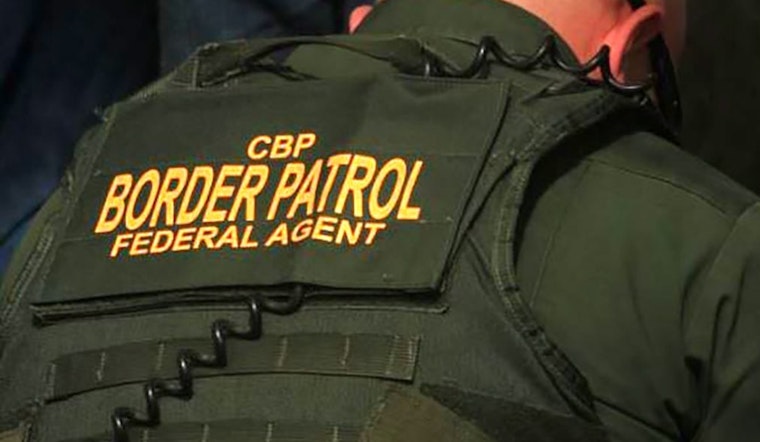
Los Angeles is currently grappling with legal ramifications as lawsuits burgeon against the federal government's immigration enforcement strategies. In recent developments, a federal judge is expected to issue a ruling on a lawsuit filed by immigrant advocates, challenging what they term "unconstitutional" tactics used by immigration authorities in Southern California. The judge's decision is anticipated as early as Friday following several days of legal proceedings.
Immigration advocates, represented by Public Counsel and the American Civil Liberties Union, have accused federal agencies of sweeping enforcement actions that fail to respect constitutional rights, specifically the legal right to counsel and the prohibition of detaining individuals without probable cause. Claims of "roving patrols" and unwarranted stops have also fueled the legal action, as detailed by NBC Los Angeles. Meanwhile, federal attorneys have rebuffed these accusations, asserting that their operations are grounded on "reasonable suspicion" and "totality of the circumstances."
U.S. District Judge Maame Ewusi-Mensah Frimpong, who has been overseeing the case, appeared to scrutinize the government’s approach during the hearings, according to ABC7. She sought more specifics on the procedures used by federal agents, reflecting on the legal necessity for the administration's tactics. Notably, the judge questioned the agents' decision to wear masks, a precaution explained by the government as a measure to prevent "doxing."
Amidst the legal tussle, Los Angeles Mayor Karen Bass has thrown the city's weight behind the lawsuit, criticizing the Trump administration for using the city as a "test case" for aggressive immigration enforcement. Local officials, echoing the mayor’s sentiments, have joined the legal fray asserting violations of the due process and states' rights, according to a CBS News Los Angeles report. Further, they compare the sudden immigration raids to the disruptive impact of the COVID-19 pandemic on their communities, due to the incidental economic burden and fear they generate.
The ACLU's lawsuit centers on the operations of federal agents who allegedly arrest and detain individuals based on racial profiling. The narrative of Montebello resident Brian Gavidia, who was forcibly detained despite providing evidence of his American citizenship, has become emblematic of the broader concerns over ICE methods. "One thing I would like to highlight was the fact that even though after I stated and proved I was American, they took away my phone," Gavidia recounted outside the courthouse, as covered by CBS News Los Angeles. This case, among others, has spotlighted the troubling nature of the raids, spurring local authorities to seek judicial intervention.
As the federal judge deliberates on the possible issuance of a temporary restraining order and the requested cessation of "roving patrols", the outcome holds nationwide implications for the enforcement of immigration law and the rights of individuals in the crosshairs of such operations. The ruling may shape the battleground between the federal government's mandate to enforce immigration laws and the community advocates' quest to safeguard civil liberties.





