

























































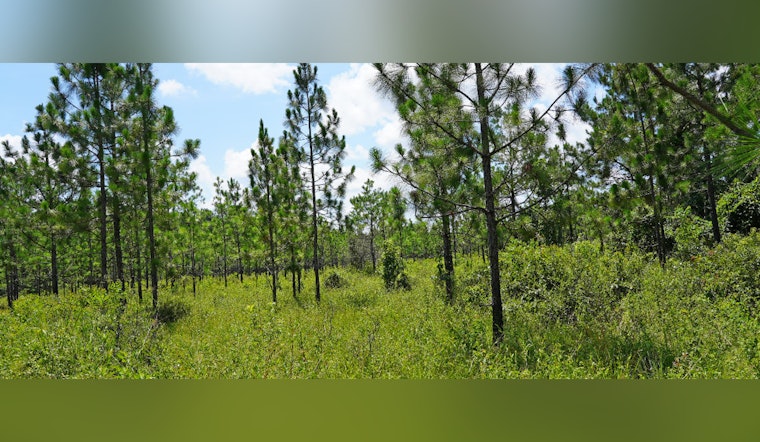
In a concerted effort to revive the longleaf pine population in Louisiana, the Louisiana Department of Wildlife and Fisheries has joined forces with a suite of partners to provide cost-sharing assistance to landowners. The partnership includes heavyweight conservationists such as the National Fish and Wildlife Foundation, The Nature Conservancy, and the National Wild Turkey Federation, among others. According to Louisiana's wildlife agency, they recently showcased their progress during a field day and workshop at the Marsh Bayou WMA in Evangeline Parish on June 27.
It's a long road back for the disappearing longleaf pine forests, which once covered a staggering 90 million acres in the Southeastern U.S., reducing to a mere 3 million by 1995—a shadow of its former self. Restoration initiatives have clawed back to cover approximately 4 million acres, with substantial input from private landowners. In 2024, a 54-acre tract was planted with longleaf pines using a 12 X 12 spacing, upping the ante for wildlife habitat establishment.
These restoration and management efforts are essential due to the ecological and economic benefits the longleaf pine savannahs provide. These lands not only support diverse species like turkeys, quail, and deer, but they are also less prone to damage from insects, ice, and wind, according to Eric Baka, the LDWF Red-cockaded woodpecker Safe Harbor Coordinator. "Fire is extremely important," Baka said, as reported by Louisiana's wildlife agency, it's "vital to clearing out the underbrush and invasive species and encouraging new growth."
Economics are not left out of the equation, as longleaf pine logs are lucrative to landowners for their high quantity of saw logs and poles. Potential earnings also come from pine straw sales, hunting leases, and other recreational use of the land. For those interested, several cost share programs are available, including the Environmental Quality Incentives Program, Conservation Stewardship Program, and more. This financial leg-up can help landowners manage costs associated with establishing and sustaining these verdant ecosystems.
Private landowners curious about joining the restoration movement are encouraged to reach out to the West-Central Louisiana Ecosystem Partnership for information on cost-sharing opportunities.



