

























































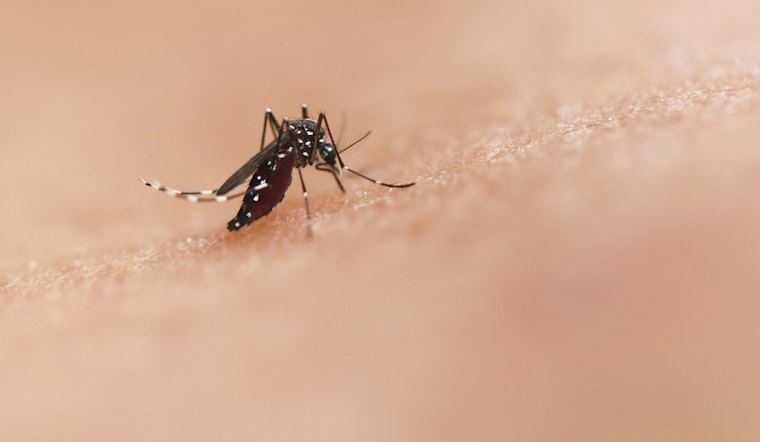
The specter of mosquito-borne disease is back on the radar in Massachusetts, with state health officials confirming the season's first detection of Eastern equine encephalitis (EEE) virus in mosquitoes. The Massachusetts Department of Public Health (DPH) confirmed the presence of EEE in a mosquito sample from the town of Belchertown in Hampshire County, as reported on July 23rd. With the summer hitting its peak, residents are urged to brace for the likelihood of more such findings and to take preventive measures against mosquito bites.
"This is around the time we would expect to find EEE in mosquitoes in Massachusetts, especially after an active EEE season last year with four recorded human cases," Public Health Commissioner Robbie Goldstein, MD, PhD told Mass.gov. Furthermore, the state epidemiologist underscored the pattern of outbreak cycles in Massachusetts and, highlighted how the initial detection is a signal that the risk could mount as the summer progresses. Dr. Catherine M. Brown indicated that the mosquito surveillance program is essential for tracking where and when these risks are heightened.
The threat of EEE, a notable, yet rare disease that can impose serious or even lethal consequences, exists throughout the population irrespective of age. Despite having been responsible for one fatality amidst four human cases last year, no infections have been observed in humans or animals to date in 2025. Meanwhile, state officials are emphasizing strategies for the public to safeguard themselves, which involve the use of EPA-registered insect repellents, vigilance during peak mosquito hours, and wearing protective clothing when outdoors.
Massachusetts residents are not just protecting themselves from pesky bites but are also playing a part in curbing the mosquito population around their homes. Key tips include draining standing water where mosquitoes breed, maintaining window and door screens, and being conscientious about water containers and troughs, especially after it rains. Animal owners specifically should keep their livestock, particularly horses, indoors during nighttime, have a conversation with the vet about protective measures, and report any suspicions of WNV or EEE, to authorities without delay.
Further details about mosquito-borne diseases and public health advisories can be found on the DPH's Arbovirus Surveillance Information page, which is actively updated. Those seeking more information or wishing to report concerns can also reach out directly to the DPH Division of Epidemiology.





