

























































The Metropolitan Council is setting the stage for transformation by dedicating over $2.4 million in grants to five Twin Cities communities in an effort to restore contaminated land and address pressing housing needs, according to the latest from the council itself. These Livable Communities grants, which target environmentally challenged sites, aim to catalyze redevelopment into vibrant spaces that promise to stimulate local economies and make a dent in the housing affordability crisis.
In this round of funding, Inver Grove Heights, Minneapolis, Richfield, Saint Paul, and South St. Paul have received grants for various projects that, on completion, will not only clear up 16 acres of polluted land, but also add over 200 jobs, boost the annual tax base by $300,000, and create 95 new affordable housing units, ensuring that neighborhoods hit the hardest by economic disparities get a shot at recovery, I see a gap in equitable development and these plans are filling that much-needed space. In a statement obtained by Metrocouncil.org, Lisa Barajas, director of the Met Council’s Community Development division, says, “Redevelopment is a key strategy for keeping our region’s communities dynamic and resilient,” highlighting the grants' role in fostering public-private partnerships that lead to economic and housing benefits.
Minneapolis is set to see two major developments, including The Curve Nordeast and NE Green Campus Expansion, featuring a commercial hub with essentials like a grocery store and daycare, as well as a senior housing complex catering to those with HIV/AIDS experiencing homelessness.
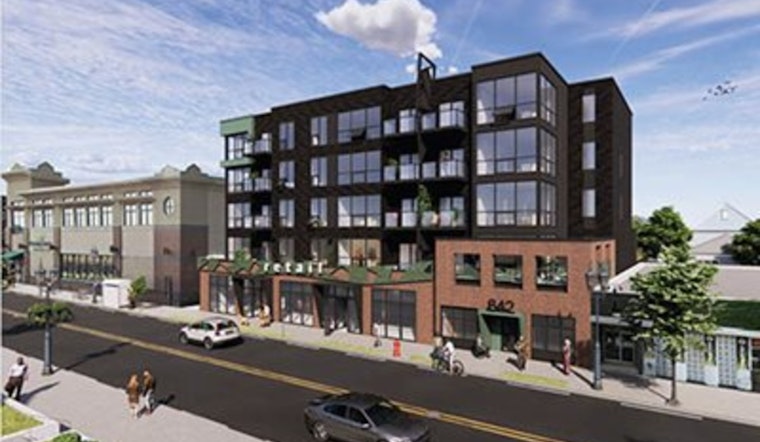
In Richfield, the Penn Station and American Legion SEED Project are up next, which aim to build 42 affordable apartments while also investigating an underutilized site with the backdrop of a former American Legion building, the intersection of housing need with a historical context of uneven investment, where we see a blend of community focus and practical redevelopment. The Metrocouncil.org announcement details Saint Paul's plan for The Beasley, a property combining accessible homeownership with retail opportunity, and South St. Paul's Wakota Crossing, which stakes its future on industrial job creation through the remediation of a former industrial site.
Finally, Inver Grove Heights is taking on the industrial revival with the Dickman Trail Industrial Development, looking to flip the script on a sizeable commercial area that's seen better days, with plans to revitalize existing structures for new office and warehousing operations.
The Livable Communities Act underscores the intentional drive toward more inclusive development across the region. These grants represent more than a funding gesture—they embody a strategic pivot toward more holistic, equitable urban renewal. For more intel on these transformative projects, reference the detailed brief at Metrocouncil.org.





