

























































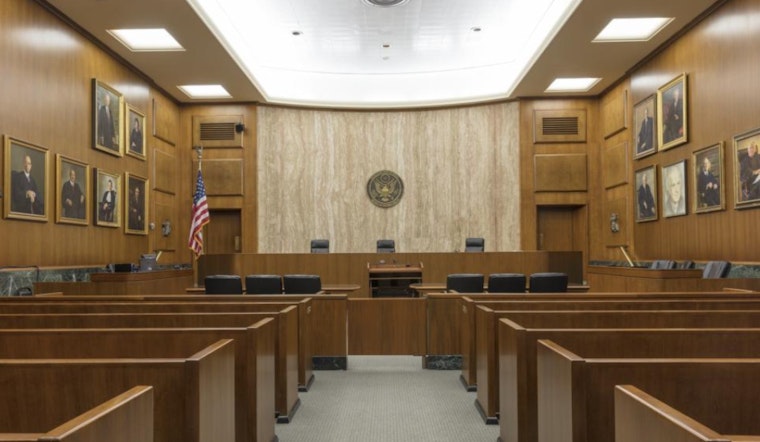
A Mexican national has been sentenced to over three years in federal prison following a conviction for returning to the United States after previously being deported, as detailed in an announcement from Acting United States Attorney M. Scott Proctor. Daniel Alvarez-Reyes, aged 30 and residing in Elkhart, Indiana at the time of his arrest, was handed down a 37-month prison term by U.S. District Court Judge Cristal C. Brisco, the U.S. Attorney's Office for the Northern District of Indiana reported.
Alvarez-Reyes, whose criminal record includes past felonies—namely, the possession of cocaine in Indiana and Ohio, and previously illegal entry into the United States in the Western District of Texas—had been removed from the U.S. twice, first in April 2019, and subsequently in January 2020; however, the Acting U.S. Attorney did not specify the circumstances leading to his most recent arrest. This case, a result of an investigation by the United States Immigration and Customs Enforcement, was prosecuted by Assistant United States Attorney Luke N. Reilander along with former Assistant United States Attorney Frank E. Schaffer.
The sentence arrives amidst ongoing debates on immigration enforcement and the consequences for reentry after deportation, with opinions often divided on the severity and impact of these sentences. The case of Alvarez-Reyes, which illustrates the intersection of criminal law and immigration policy, underscores the legal challenges faced by individuals who have been deported and then reenter the United States.
Details of Alvarez-Reyes's case, as provided by court documents, highlight a narrative familiar to those following immigration enforcement in the U.S., where actions such as reentry following deportation carry significant legal repercussions; these cases often end in prison sentences before eventual removal proceedings are reinstated. With the case now closed, Alvarez-Reyes is set to serve his 37-month sentence, adding another chapter to the complex and often personal stories behind the statistics of U.S. immigration enforcement efforts.





