

























































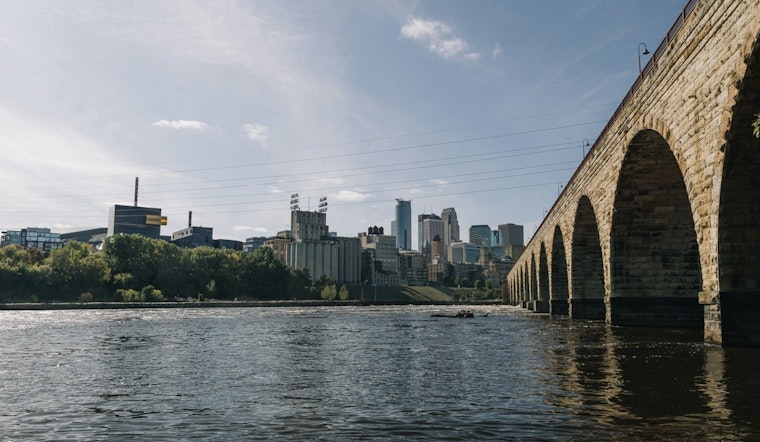
The city of Minneapolis is currently under an air quality alert until 5 PM CDT Saturday, according to information from the Minnesota Pollution Control Agency. The agency has issued a warning that fine particles from wildfire smoke may reach unhealthy levels, particularly affecting people with lung diseases such as asthma, heart disease, and also including vulnerable groups like children and older adults. The alert covers a broad area, encompassing west central, east central, central, south central, southeast, north central, northwest, southwest, and northeast Minnesota, as reported by the National Weather Service.
In the meantime, the city's weather forecast incorporates the presence of smoke from nearby wildfires. Residents can expect a 20 percent chance of showers before 11am today, paired with smoke-filled skies until the air gradually clears toward the evening. Conditions will remain partly cloudy with a low around 60 tonight. By Thursday, skies are expected to fully clear up, promising a sunny day with a high near 78 and similar weather stretching into the weekend. However, it's important to note that residents are advised to "keep windows closed overnight to prevent smoke from getting indoors," as stated in the hazardous weather outlook.
Looking ahead, periods of poor air quality due to smoke are expected to continue through Saturday. The forecast from the National Weather Service indicates that the smoke problem will be exacerbated by high pressure in the region, which will create light winds and hinder the dispersion of the smoke. This has prompted the expansion and extension of the air quality alert for the entire state of Minnesota.
The Minnesota Pollution Control Agency has also shared several recommendations for residents during the alert period. Sensitive groups should avoid prolonged or heavy exertion, while the general public is advised to limit such exertion as well. Moreover, to help improve the air quality, the agency suggests minimizing activities like outdoor burning and reducing vehicle use and idling. "Reduce or eliminate activities that contribute to air pollution," the agency cautions, emphasizing the shared responsibility of maintaining community health during these hazardous conditions.





