

























































In a move that's stirred up considerable backlash, President Trump's latest executive order has drawn the ire of Minnesota legislators, who see it as a punitive measure against the unhoused. The order, signed on July 24, emphasizes involuntary civil commitment for those experiencing homelessness and simultaneously cuts back on funding for housing-first and harm-reduction programs—a contrast to the previously favored approaches aimed at addressing the core issues of homelessness.
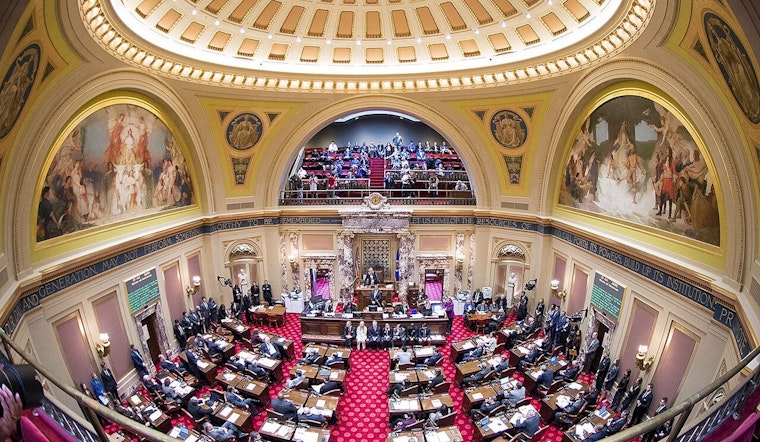
Minnesota State Senators and Representatives have not minced words in their condemnation. "This executive order is not a solution to homelessness; it is a dangerous rollback of proven strategies, driven by fear and cruelty," they stated, according to a release by the Senate DFL. They argue that involuntary civil commitment may inflict trauma, sever connections to community-based care, and neglect the real drivers of homelessness such as the lack of affordable housing, income insecurity, and mental healthcare access.
The order is seen as a shift away from compassionate strategies that treat the unhoused with dignity, and instead, it has been interpreted as reducing them to mere offenders. The Minnesota legislators have been staunch proponents of a housing-first initiative, which has seen programs that help families get back on their feet, combat veteran homelessness, and provide support for substance use disorder treatment.
In their response, the legislators touted their accomplishments with the DFL majority: "We created and funded housing-first programs that get families back on their feet; built multi-agency initiatives to put Minnesota on track to end veteran homelessness this year; funded emergency shelters, expanded rental aid, and helped more families afford their first down payment." Their statement, which included signatures from key Senate and House committee chairs and members, reflects a commitment to continue fighting for solutions supported by evidence that respect the rights and humanity of individuals impacted by homelessness.
As the debate over the executive order rages on, it highlights the ongoing divide regarding the best methods to address homelessness in the U.S. The clash of ideologies between supporting the marginalized through systemic support programs versus punitive and restrictive measures demonstrates a contested vision of how policy should respond to socio-economic crises like homelessness. With such resistance from Minnesota state legislators, a battle may be brewing over how to effectively and humanely address the needs of unhoused people nationwide.





