

























































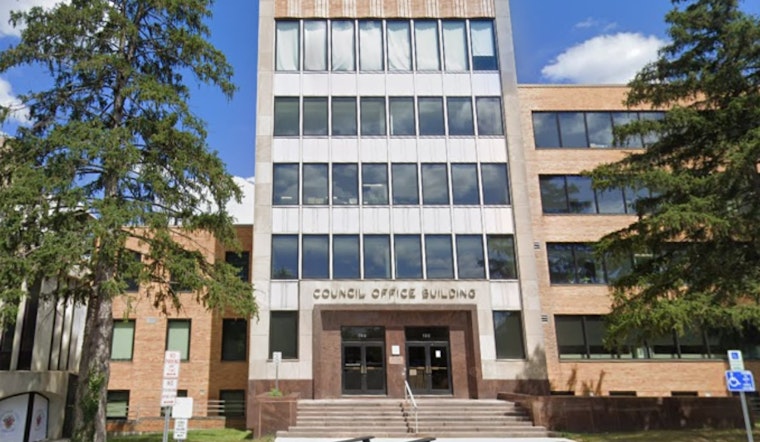
The Montgomery County Council convened yesterday to deliberate on strategic transportation frameworks and digital infrastructure expansion, among other civic matters. The session, which led with acknowledgments of Senior Citizens Day, Parks and Recreation Month, and Fair Open Housing Day, was marked by definitive steps aimed at revamping the county's roadway and transit systems and upgrading internet accessibility for underserved communities.
In a meeting that was not only about recognitions, but also deeply centric to progressive policymaking, the council was poised to vote on the Master Plan of Highways and Transitways 2025 Technical Update. The expected vote followed the Transportation and Environment Committee's endorsement of a plan that proposed significant changes to the transportation blueprint following two recently passed bills, intended to adhere to the County’s Complete Streets Design Guide and the Pedestrian Master Plan. A notable goal of the update is to establish a multimodal transportation system that incorporates the diverse needs of commuters, ranging from those in vehicles to those on foot.
Moving beyond the thoroughfares, the Council also addressed the subject of digital connectivity. A public hearing was held to discuss a $6.1 million supplemental appropriation for Montgomery Connects, a program designed to extend free MoCoNet residential broadband service to four affordable housing developments. This move aligns with the county's agenda to bridge the digital divide and ensure equitable internet access, a resource increasingly recognized as a utility rather than a luxury.
An interesting divergence from standard council fare was the proposed introduction to Bill 28-25 by Councilmember Evan Glass, which cast the spotlight on cyclist safety. The bill seeks to prohibit the obstruction of bikeways by vehicles with the explicit intention of protecting cyclists, responding to increasing demands for secure bike lanes. This legislation reflects the Council's commitment to transport safety and the growing need for cycle-friendly infrastructure in urban design.
The session was concluded with an insightful presentation on the Council's Summer Fellows Program, an initiative that equips policy students with substantial local government exposure. The program's 2025 fellows were scheduled to share their research findings, potentially influencing future legislative decisions with data-driven insights. These presentations highlight the Council's acknowledgment that forward-thinking governance often requires fresh perspectives and expert analyses.
The meeting ended with a closed session dedicated to a consultation about a contentious county contract.
Residents were encouraged to engage through the Council's various online platforms to stay informed on the outcomes and implications of the Council's decisions, reaffirming the body's advocacy for civic participation and transparency. Interested individuals can visit the Council's website for agendas, supporting documents, and live streams to learn more about the full slate of discussions and future council meetings.



