

























































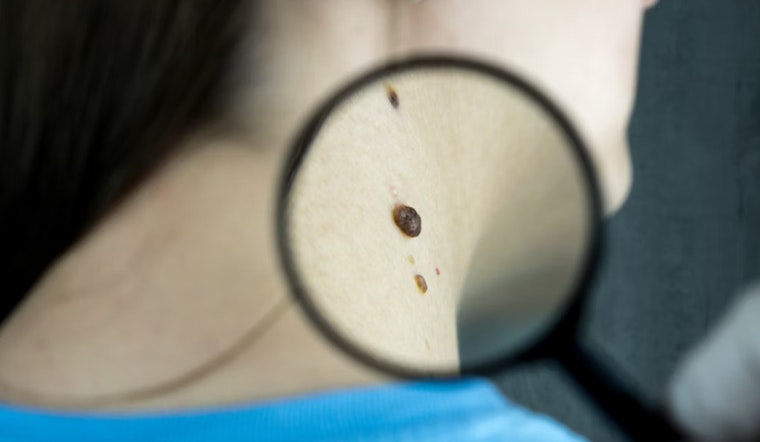
Skin cancer detection is undergoing a technological revolution, and it's not just about new creams and potions. The Vectra WB180 system, a form of 3D total body photography, is now on the skin cancer scene, boasting a quick way to keep tabs on every mole and blemish. According to a report by CBS News New York, Dr. Jonathan Unger from the Waldman Melanoma and Skin Cancer Center at Mount Sinai is putting it to good use. "We use 26 cameras to photograph the entire body...and then the system takes all of these photos, high-resolution photos, and stitches them together into a three-dimensional avatar," Unger said. That's a whole lot of camera action in a blink, giving doctors a snapshot of your skin's story.
While we're talking stats and screens, a study from Brisbane broke new ground on how effective 3D photography can be as a sidekick to regular skin check-ups. Despite the global rise in both melanoma and non-melanoma skin cancers, researchers in Brisbane monitored 315 high-risk patients and found something surprising. As explained in a study summary by University of Queensland News, patients with 3D imaging caught more non-melanoma cancers. It turns out, more docs – including those early in their career and consulting from a distance – pitched in on the image analysis, resulting in more suspects caught in the skin surveillance net. The technology's clear advantage is the ability to document and track changes over time, with thoroughness as the new watchword.
One patient, Jackie Mills, had a face-off with melanoma – and won. After detecting a worrying spot and pushing for a diagnosis, she's now enjoying the peace of mind that comes with frequent checks and high-tech scrutiny. "Not only is Dr. Unger looking at my spots, but he's using this machine to mathematically track what's going on from year to year. And I think that's just, it gives me the ability to take a deep breath and enjoy my life and not be constantly worried about melanoma coming back or being an issue," Mills told CBS News New York.
But let's not toss our regular skin check-ups just yet. The Australian study, while highlighting the might of 3D photography, reminds us that it's not a one-and-done deal for screening success. There was no significant uptick in melanoma detection between groups with or without the fancy photography – a relief for anyone worried about overdiagnosis. Importantly, 3D photography didn’t send false alarms sky-high but rather led to more rigorous exams and extra catches. This means the study, albeit with some limitations, has opened the door to the big leagues of research, pondering how Artificial Intelligence could play ball in the future of skin cancer care. "This study found that 3D total body photography didn’t necessarily lead to a higher number of incorrectly diagnosed cases," according to the University of Queensland.





