

























































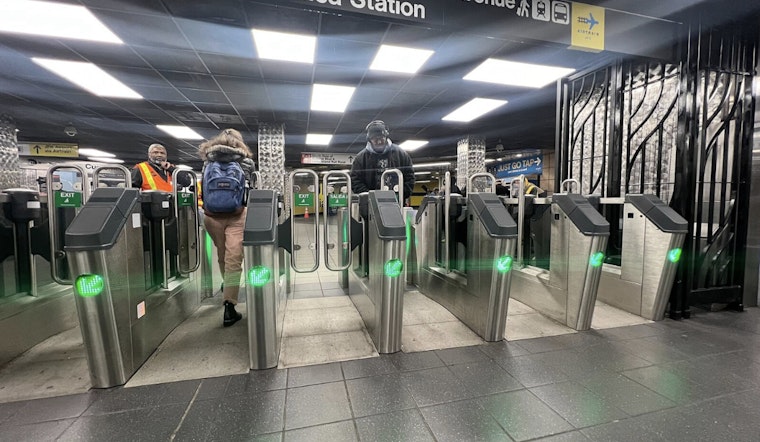
The Metropolitan Transportation Authority (MTA) has signaled a fare increase set to take effect on January 4, 2026, as well as announced an impending end to the MetroCard system in a shift to the OMNY tap-and-go payment method. This decision comes as part of the agency's varied efforts to manage operational costs and modernize the fare system. MTA officials confirmed that the base transit fare is proposed to rise by 10 cents to $3, which was indeed part of the original plan to ensure consistent revenue generation, according to details released by the MTA.
In an unexpected turn, tolls on bridges and tunnels will see a hike of 7.5%, surpassing the anticipated 4% increase. This includes the RFK Bridge, where the one-way EZ Pass toll is projected to leap from $6.94 to $7.46. Even as some riders grappling with the nuances of New York City's sprawling transit hub, they are also coming to terms with an operational change that will make online railroad tickets auto-activate upon purchase and expire after just four hours, closing a policy gap that had permitted some passengers to enjoy free rides.
Amid these updates, the agency contends that no traveler will pay more than $36 for subway and local bus fares within any seven-day span, as reported by Audacy. Notably, the hike in fares and tolls has been contextualized as a tactic to match operating costs with inflation, thus mitigating budget deficits and lessening the need for drastic price spikes in the future. "Expenses grow at inflation and so do our revenues," Jai Patel, the MTA’s co-chief financial officer, explained in an acknowledgment of the economic realities shaping the MTA's financial strategies.
This latest development is juxtaposed with a recent service disruption that saw commuters caught in a sweltering standstill due to a power-related failure that compromised signal systems across multiple subway lines. Following the heat-triggered subway chaos, which eventually subsided by evening, the pivot in fare policy could be interpreted as part of the MTA's broader mission to bolster both reliability and ridership while also tackling the rise in reported assaults, a safety concern rippling through the transit network. The fare adjustments and the swap from MetroCard to OMNY are seen to contribute to these objectives while heralding a critical phase for the nation's largest transit operator, as cited by NBC New York.
As negotiations advance, a series of public hearings will be organized to field consumer feedback, with the MTA board earmarked to cast their votes on the fare and toll changes in the fall. Patel is expected to present an update to the MTA's financial several-year outlook, signposting anticipated deficits which are currently projecting a slight improvement compared to past estimations. Despite this, the organization forecasts a concerningly expanding financial gap in the year 2029.





.jpg)