

























































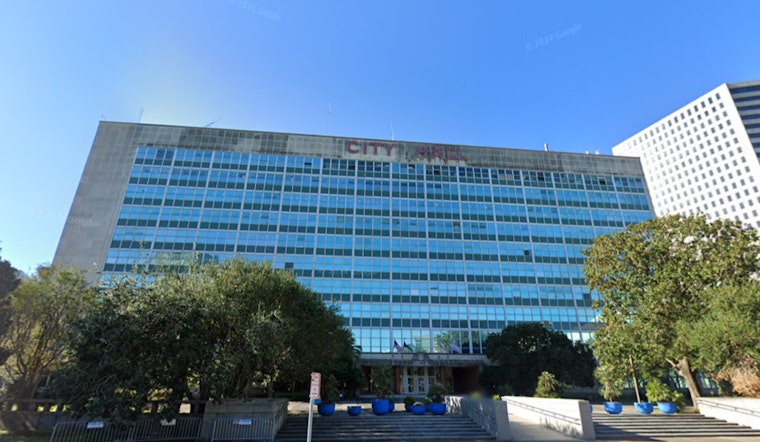
In a decisive move to combat climate change, the New Orleans City Council recently enacted the Building Energy Benchmarking ordinance. As reported by the City of New Orleans official news release, this measure will require large buildings to track and report their annual energy usage. The initiative aligns with the City’s Climate Action Plan objectives to reduce greenhouse gas emissions and enhance building performance. The ordinance applies to structures over 20,000 square feet, targeting commercial buildings which account for approximately 20% of citywide emissions.
"We’re building a more equitable and efficient city that protects residents from rising energy costs and climate impacts," Mayor LaToya Cantrell expressed. By monitoring energy consumption and comparing it to the norms for similar buildings, this initiative - known as benchmarking - aims to lead building owners in identifying potential savings and upgrades while also lowering emissions. In part, this ordinance has become a reality thanks to strong advocacy from City Council Vice President Helena Moreno, who insisted on energy transparency and has championed climate action throughout her tenure. "As the Chair of the Climate and Sustainability Committee, I understand the need to bring down these emissions by all stakeholders," Moreno emphasized to the city's press.
According to the recent ordinance No. 35,154, starting January 1, 2026, properties with an building area of 50,000 square feet or more will be mandated to report their annual energy use utilizing the EPA ENERGY STAR Portfolio Manager tool. A year later, the same will be expected from buildings that encapsulate between 20,000 and 50,000 square feet. To foster public transparency and aid in the shaping of future energy policies, the City will publish the annual energy performance data for the properties covered by the ordinance. Noncompliance may result in fines between $1,000 and $3,000, although these penalties will be waived in the first year a property is obliged to comply.
The benefits of benchmarking stretch beyond merely compliance; buildings engaging in this process witness an average energy use reduction of 2.4% per year as per the EPA. It's an initiative that supports not just cost reduction, but also public health improvements, job creation, and higher occupancy rates. The Office of Resilience & Sustainability, which spearheaded the development of the ordinance, is set to continue offering outreach and hands-on support to guarantee broad compliance. Logan Atkinson Burke, Executive Director of the Alliance for Affordable Energy, stressed to the City of New Orleans that, "Reducing energy waste in our city's largest buildings will have an outsized impact on New Orleans' ability to reduce utility bills for everyone."
Backing this initiative is $1.5 million in funding from the U.S. Environmental Protection Agency's Climate Pollution Reduction Grant, which is allocated for staffing, outreach, and technical assistance to aid building owners in achieving the benchmarking requirements. The City's step towards harnessing data for energy management has demonstrated success in the past. Since adopting benchmarking for municipal buildings itself since 2012, they have achieved a notable 23% reduction in energy use between the years 2018 and 2021.



