

























































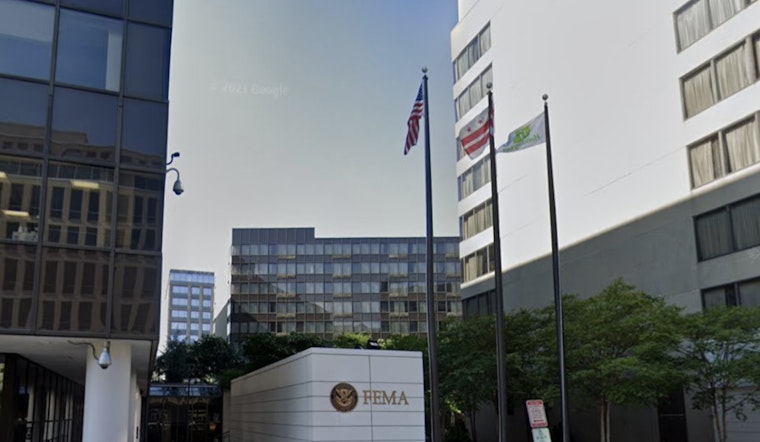
In a move that underscores the tension between local needs and federal action, New York City has taken a stand against the Federal Emergency Management Agency's (FEMA) decision to terminate over $351 million in grants dedicated to emergency preparedness. This funding, part of the Building Resilient Infrastructure and Communities (BRIC) program, was earmarked for various projects aimed at safeguarding the city against the increasing threats posed by natural disasters.
According to a statement by the City of New York, these BRIC funds were allocated by Congress to aid in efforts, such as those previously seen during Superstorm Sandy and Hurricane Ida, to fortify the metropolis against the rampages of nature. The urgency of the situation is punctuated by recent flooding, and extreme weather events that Mayor Adams argues necessitate the continued support of federal partners, “especially those dollars that keep us safe.”
New York City Corporation Counsel Muriel Goode-Trufant has voiced her concern over the impact of the funding cut, emphasizing the importance of the BRIC program in the city’s long-term resilience strategy. "New York City has worked hard to protect communities from the impacts of extreme weather events, and now that work is severely undermined by the federal government's termination of this important program," Goode-Trufant told the City of New York's news release.
Despite these setbacks, work continues on essential infrastructure improvements, with the city moving forward to secure the funds promised for 14 projects from the fiscal years 2020 through 2022, and an additional five for 2023. Such projects include the Seaport Coastal Resilience Project, designed to counter flooding within the South Street Seaport historic district, and the Tottenville Shoreline Protection Project, aimed at shielding the Tottenville neighborhood, from coastal damages. Moreover, the Corona East & Kissena Corridor Cloudburst Hub Projects are slated to transform public outdoor areas into structures capable of absorbing and redirecting heavy rainfall, thereby reducing local flooding.
Undeterred by federal cuts, New York City's resolve remains firm as it battles for the promised BRIC funding. The city's pursuits are not just about the immediate defense against the elements but also an investment in the future protection, and well-being, of its residents and their communities.





