

























































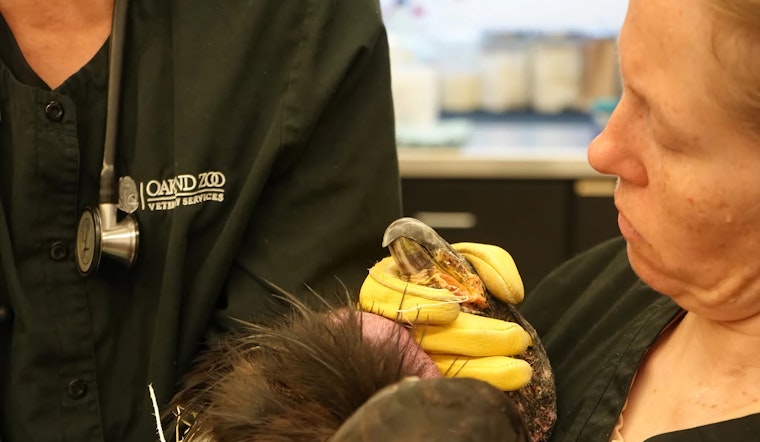
The Oakland Zoo is mourning the loss of California Condor 1019, affectionately known as "Jane," who died Monday night from advanced lead poisoning despite emergency veterinary intervention. The five-year-old female condor, named after renowned conservationist Dr. Jane Goodall, succumbed to the toxic effects of lead ammunition fragments that had accumulated in her digestive system.
Jane arrived at the zoo's Steve and Jackie Kane Condor Recovery Center from Ventana Wildlife Society in Monterey County in severely compromised condition. The SF Chronicle reports the bird was so sick she was stumbling and eventually unable to stand, with her digestive system completely shut down and unable to absorb nutrition.
Desperate Surgery Proves Unsuccessful
Oakland Zoo veterinarians performed emergency surgery Saturday to remove lead fragments from Jane's ventriculus, or gizzard, but KRON4 reports the lead poisoning was too advanced to reverse. The condor's crop and gastrointestinal tract had stopped functioning entirely, preventing her from processing food or water. Jane died Sunday night despite the veterinary team's intensive efforts.
Jane had been released into the wild at San Simeon on November 2, 2021, as part of ongoing efforts to restore the critically endangered species. Ventana Wildlife Society describes her as known for her dominant yet protective personality, often standing over less confident birds to ensure they received adequate food and forming strong bonds with other female condors in her cohort.
Alarming Pattern of Lead Deaths Across California
Jane's death represents part of a disturbing trend affecting condor populations statewide. KRON4 reports that in January, another California condor was found dead from lead poisoning in Redwood National Park's remote backcountry. The Yurok Tribe noted that even tiny lead bullet fragments can be lethal to these massive scavengers.
Recent data shows that three condors in the Central California flock have already died from lead poisoning in 2025, with four deaths confirmed in 2024. Additionally, five birds are currently listed as "missing in the wild," with lead poisoning suspected but not confirmed until necropsies are completed.
North Coast Population Also Affected
The pattern extends beyond Central California. The North Coast Journal reported that in November 2024, condor A9 required treatment at Sequoia Park Zoo after routine health checks revealed potentially lethal lead levels. Eight other condors in that flock showed elevated lead concentrations, traced to remains of an elk killed by poachers using lead ammunition in Redwood National and State Parks.
Conservation Funding Under Threat
The ongoing crisis comes as federal budget cuts have eliminated crucial conservation funding. The Department of Government Efficiency recently terminated two federal grants that provided $450,000 annually to Ventana Wildlife Society's non-lead ammunition program. The Recovery Challenge Grant will end in December, while the State of the Birds grant has already been eliminated.
Kelly Sorenson, executive director of Ventana Wildlife Society, emphasized that lead poisoning remains the greatest threat to condor recovery. The organization has launched a "Save the Condor Fund" campaign seeking $410,000 to replace the lost federal funding and continue providing free copper ammunition to hunters and ranchers.
Legal Framework Insufficient
Despite California's comprehensive lead ammunition ban that took full effect in 2019, according to Audubon California, the law permits continued sale and purchase of lead ammunition for use at target ranges. Pandemic-related supply chain disruptions have made copper ammunition harder to obtain, leading some hunters to continue using stockpiled lead bullets on private property.
KCBX reports that lead poisoning accounts for approximately 50% of diagnosed condor deaths, with the toxic metal causing paralysis of the digestive tract that leads to starvation and dehydration. Since condor releases began in California in 1992, nearly half of all diagnosed fatalities have been attributed to lead ammunition ingestion.
Oakland Zoo's Critical Role in Recovery
The Oakland Zoo has been a cornerstone of condor conservation since 2014, when it received its first lead-poisoned condor for treatment. The zoo reports their facility has treated and released more than 52 endangered California condors back into the wild over the past decade. The recovery center features specialized veterinary equipment and chelation therapy capabilities to treat lead poisoning.
Before Oakland Zoo's facility opened, critically ill condors from Central California had to travel to Los Angeles Zoo for treatment, a time-consuming journey that often proved fatal for severely poisoned birds. The zoo's location provides crucial support for the expanding condor population as it moves northward through California.
Species Recovery Remains Fragile
The U.S. Fish and Wildlife Service notes that the California condor population crashed to just 23 birds worldwide by 1982, with all remaining wild condors placed into captive breeding by 1987. Today, approximately 350 condors fly free across California, Arizona, Utah, and Baja California, with Ventana Wildlife Society managing about 100 birds in the Central Coast population.
However, Monterey County Now notes that while 2024 marked one of the best years in decades for the Central Coast flock with only one death compared to 11 in 2023, the 2025 trend suggests a troubling reversal.





