

























































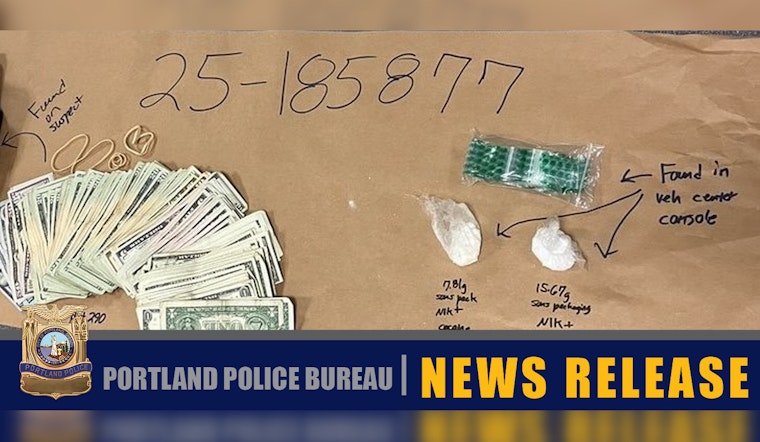
In a coordinated crackdown on illegal drug activity, the Narcotics and Organized Crime Unit (NOC) led a joint mission on July 12, gathering a team of officers and investigators from various branches of the Portland police. This initiative aimed to address community concerns related to drug-related crimes and disturbances in North Portland. According to the Portland Police Bureau, the operation was a response to reports from local residents and businesses troubled by the ongoing illicit activities in the area.
The areas under survey included the Eliot, Lloyd, Overlook, and East Columbia neighborhoods, known hotspots for such unlawful dealings. To dismantle networks that undermine neighborhood safety and well-being, the mission yielded multiple apprehensions and seizures. The police reported arresting seven subjects and criminally citing two, who were later released. They also confiscated two firearms, recovered a stolen vehicle, and executed one vehicle elude alongside serving three warrants. The teams, furthermore, filed 13 felony and four misdemeanor charges.
The law enforcement's campaign against drugs didn’t end with arrests and seizures, as outreach played a crucial role in the mission. Officers met with many individuals affected by drug addiction, extending offers of support through Service Coordination Team (SCT) services designed to combat the cycle of dependency and associated criminal behaviors. This reflects a holistic approach to policing that the Portland police strive to uphold, aiming to enhance lives and the livability of communities beyond mere enforcement, a sentiment echoed by the Portland Police Bureau's report.
In terms of contraband, the operation resulted in the seizure of approximately 60 grams of narcotics and the confiscation of over $4,290 in drug proceeds, striking a financial blow to the drug trafficking operations in these districts. These are tangible measures of the mission's immediate impact on the neighborhoods' drug scene. Yet, the long-term implications of such a mission for community safety and its effect in curbing drug-related crimes remain to be seen.




