

























































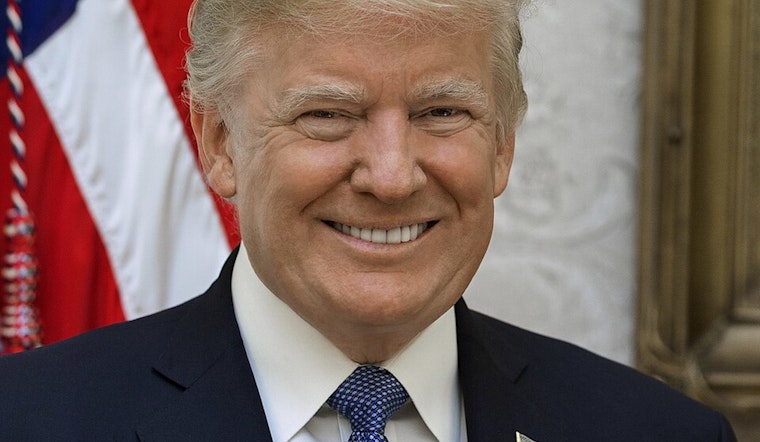
In a notable shift toward centralizing federal hiring processes, President Donald J. Trump has laid down a new requirement that will change how government positions are filled. According to a recent memo from the White House, many federal hires will now need the green light from an agency's presidential appointees before they can join the ranks.
The change comes with a clear purpose: to enhance accountability and to ensure hires align more closely with top agency priorities. "This prohibits filling vacant federal civilian positions or creating new ones without approval from agency leadership, with certain exceptions," reads the memo. Despite tightening the reins, the administration is keen to maintain efficiency in crucial areas. For immigration enforcement, national security, and public safety positions—categories that include roles like Department of Veterans Affairs medical personnel and air traffic controllers—exemptions will apply.
Such a mandate is not indefinite, though. It's set to run its course through October 15, after which presumably another assessment or a change of policy might occur. Besides streamlining the hiring process, this move seems to inform directly approved hiring by senior leadership as a counterbalance to typically lengthy and often criticized bureaucratic mechanisms.
In alignment with previous administrative moves, the memo reminds that all hiring should be consistent with the Merit Hiring Plan issued by the Administration on May 29. Despite this adherence to merit, critics are bound to question how such a policy might shift the landscape of federal employment and potentially politicize positions that have traditionally been insulated from the ebb and flow of presidential appointments.
With the President's signature, the administration reinforces a stance they believe will enhance the efficacy of governmental operations. The memo leaves little room for ambiguity about the intent to cement a closer observation of who gets to serve the public and how they get chosen to do so. While the policy's future beyond the specified date remains uncertain, what's clear is that federal agencies are now operating under a watchful eye, one that seems intent on firmly grasping the levers of power and possibly redrawing the lines of public service employment.





