

























































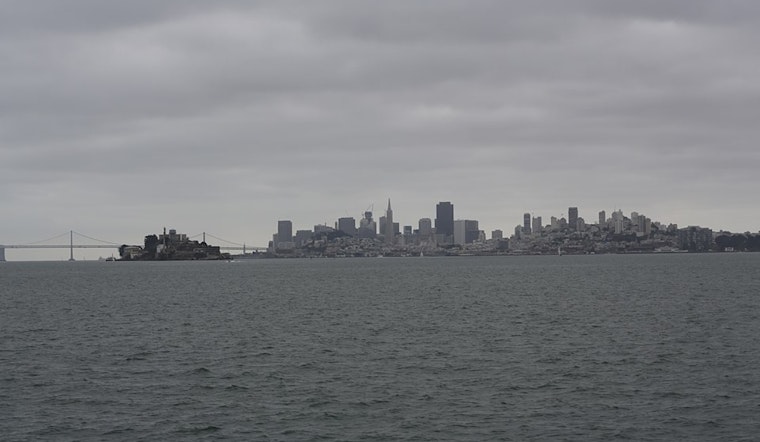
Early risers in the North Bay may have experienced isolated showers this morning, and there's a possibility of an encore with dry thunderstorms tonight. While the occurrence of such thunderstorms is a relatively low 10 percent chance, the associated risks shouldn't be underestimated given their potential to ignite wildfires. The summer sky follows its typical pattern, with marine layer stratus clouds dominating and near-normal temperatures across the region, according to a recent report by the National Weather Service San Francisco.
A cooling trend is forecasted to begin late this week, along with breezy northwest winds by Thursday afternoon. For those inland, temperatures could reach the mid-90s, while coastal areas stay cooler with highs hovering near 70 degrees. The National Weather Service in San Francisco has also mentioned a marine layer depth around 1200-1500 feet, with stratus clouds moving into inland valleys. This 'No Sky July' phenomenon can make for a striking contrast as stable layers like stratus are punctuated by the development of thunderstorms.
As we head into the latter part of the week, the weather is expected to mellow down with the upper-level low-pressure system finally moving inland along the Central Coast by Wednesday. This shift should mark the end of precipitation chances near the Bay Area, leading into a pleasant midweek period. However, the onset of an upper-level trough on Thursday promises to keep temperatures cooler than usual with enduring marine layer clouds and robust winds throughout the day.
The 4th of July holiday weekend might not offer clear skies for firework displays, as marine layers are anticipated to persist. The upcoming weekend's weather is predicted to be comparably quiet. Moving into next week, forecasters will watch for another upper-level low developing off the coast. According to the NWS San Francisco, "ECM Ens shows more of a cut-off low while other Ens guidance less so."
There's an advisory regarding the anticipated movement of marine stratus for aviation. The SFO-SAC pressure gradient is significant and might contribute to the challenges faced in coastal aviation operations due to the prominence of stratus, fog, and patchy drizzle. Pilots are thus being cautioned for potential IFR-LIFR conditions during early mornings as coastal weather conditions persist.





_(05).jpg)