

























































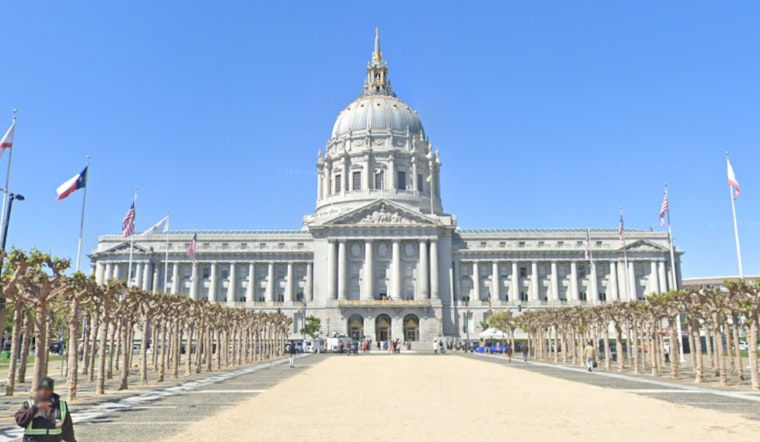
San Francisco Mayor Daniel Lurie marked a momentous occasion with opening the country's first publicly funded disability cultural center, setting a new standard for community inclusivity. The San Francisco Disability Cultural Center (DCC), which came to fruition with input from city leaders, community members, and advocates for disability justice, will serve as a hub for both in-person and virtual programming tailored to the needs and interests of the disability community. The center is expected to advance the city's recovery by fostering engagement and accessibility in one of its most vibrant communities.
The DCC will be located within The Kelsey Civic Center. Its design features elements intended to welcome individuals with disabilities, including an event space, a community-available hybrid meeting room, and a patio accommodating immunocompromised guests. According to the City and County of San Francisco, they're excited about the center being "a place to build community and lead through collaboration." The DCC's offerings will extend to activities designed for those experiencing chronic pain and a series of lectures on disability studies, with plans to expand programming further.
In a celebration that aligned with the 35th anniversary of the Americans with Disability Act and during Disability Pride Month, the DCC opened its doors, strengthening the narrative of San Francisco as a city at the forefront of accommodating and honoring the lives of disabled individuals. District 5 Supervisor Bilal Mahmood and Kelly Dearman, Executive Director of the Department of Disability and Aging Services, expressed pride in their city for hosting this pioneering center, affirming its commitment to inclusivity and belonging.
Pioneering since its virtual inception in 2024, the DCC has already engaged thousands through its programs. As Eli Gelardin, Director of the Office on Disability and Accessibility, told the City and County of San Francisco, the center is opening "a new chapter in history for the disability rights movement." Similarly, the Founders of the Disability Visibility Project and L.C. and Lillie Cox Haven of Hope highlighted the DCC's potential to combat ableism and center the dignity and creativity of individuals often marginalized by traditional structures.





