

























































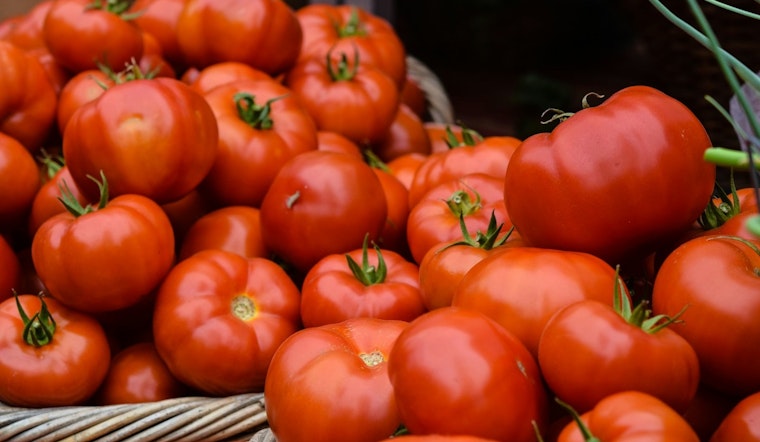
The U.S. imposition of a 17% duty on most fresh Mexican tomatoes is set to ripple through the economy, potentially driving up prices at the grocery store. The measure, announced by the U.S. government, is an abrupt shift away from the Tomato Suspension Agreement, a deal that has long regulated import prices of Mexican tomatoes. This development arrives as part of an ongoing narrative of trade tensions and policy maneuvers purportedly aimed at protecting domestic produce growers.
As reported by azfamily.com, proponents of the tariff, such as Robert Guenther of the Florida Tomato Exchange, claim it as "an enormous victory for American tomato farmers and American agriculture." However, many are critical of the potential impact on consumer's wallets, with estimates indicating that tomato retail prices could see an average increase of around 8.5% across the U.S., potentially more in areas heavily reliant on Mexican tomatoes.
Arizona is bracing for an economic hit with worries about job losses and higher costs for consumers. Nogales Mayor Jorge Maldonado voiced his concerns to FOX 10 Phoenix, labeling the duty decision as ‘detrimental’ to his city and emphasizing Nogales' deep ties with the tomato import business. "What growers can afford a 17%? Is that going to eliminate all the medium and small growers?" Maldonado asked. Governor Katie Hobbs also expressed her disapproval, pointing to the potential risk to over 50,000 agribusiness jobs in Arizona and Texas.
Amid this debate, some local businesses see an opportunity. Laura Davis, co-founder of Two Sisters Tomatoes in Camp Verde, told FOX 10 Phoenix that the tariff could help their business compete with lower-priced Mexican tomatoes.
The wider implications of the duty, however, remain a concern as the Fresh Produce Association of the Americas' president, Lance Jungmeyer, remarked, "As an industry, we are saddened that American consumers will have to pay a tomato tax, or duty, for a reduced selection of the tomatoes they prefer." With Democrats like Governor Hobbs and Senator Ruben Gallego outspoken against the tariff, the policy has clearly become a contentious issue that hits close to home for many – from policy makers to the shopping aisles.



