

























































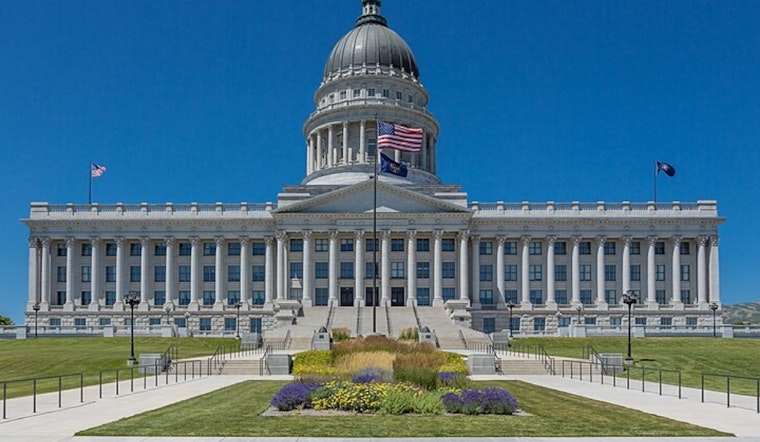
In a significant pivot towards closer collaboration with federal immigration authorities, Utah County officials have approved a contentious plan to reinforce ties with U.S. Immigration and Customs Enforcement (ICE). This decision came after an extensive five-hour meeting, including an overwhelming influx of public commentary resisting the move. Not a single voice among the 115 individuals who spoke at the meeting echoed in support of this new framework.
The unanimous vote, as reported by KSL, comes amidst fears that such measures will instigate dread within the immigrant community and potentially deteriorate public trust in law enforcement. Critics argue that the agreement could result in increased ICE raids, drawing parallels to the heightened enforcement actions that took place under the Trump administration.
Nonetheless, Utah County Sheriff Mike Smith has sought to reassure the community that the essence of local policing will remain unaffected, emphasizing transparency and communication with ICE. "The importance to me as a sheriff to be able to have transparency with ICE so that we are now on a playing ground with them to coordinate. And I can be aware of activities and if things are happening in this community that I am not ok with, like ICE raids then we are going to address those with ICE," Smith explained, relayed by FOX 13.
The decision to partner with ICE follows a history of strained relations between Utah sheriffs and the agency, particularly with the Salt Lake City field office's former head Michael Bernacke. Smith had denounced a memo circulated by Bernacke in 2023, which labeled Utah as a sanctuary state due to its lack of jails contracting with ICE, as a political ploy. "At some point, it would be used politically to try to force Utah sheriffs into housing [ICE] inmates," Smith conveyed to The Salt Lake Tribune. Nevertheless, with changing leadership at ICE's field office and reassurances from local authorities, Utah County seems resolved on its course to work more closely with federal immigration officers, attempting to strike a balance between community trust and immigration enforcement.



_(cropped).jpg)