

























































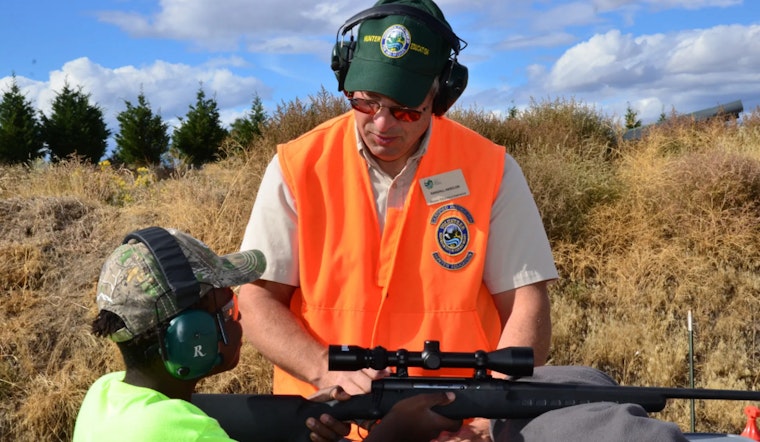
The Washington Department of Fish and Wildlife (WDFW) is on the lookout for individuals to join its legion of over 1,200 master hunters dedicated to advocating for safe and responsible hunting practices. As stated in a news release on WDFW’s website, the agency's Master Hunter Permit Program is geared towards individuals who exhibit not only a profound understanding of hunting but also an unwavering commitment to and the application of ethical hunting codes.
Interested parties have until Aug. 15, 2025, to apply for the program, and completeness in meeting all certification requirements by May 15, 2026, is non-negotiable. An application fee of $69 has to be submitted to potentially become part of a program that invests nearly 15,000 volunteer hours per annum in functions critical to conservation, education, and the bolstering of hunter-landowner relations. Information regarding qualifications for the Master Hunter Permit Program and details on how to apply can be found on WDFW's website.
Master hunters stand as pillars within the community, participating actively in programs that help manage interactions between humans and wildlife and serve as emissaries for hunter education. "Through our Master Hunter Permit Program, WDFW enlists skilled volunteers who are passionate about wildlife conservation and supporting both the Department and the public,” David Whipple, WDFW hunter education section manager, disclosed in an official statement.
Whipple emphasizes the importance for applicants to thoroughly study exam materials prior to scheduling an exam. Scoring at least 80% is mandatory to pass and applicants hold the chance to only once retake the test within a year. Should an aspirant fail both opportunities, re-application is deferred to the subsequent cycle. Prospective candidates can look up more details and study materials on WDFW’s Master Hunter Exam webpage.
The role of WDFW, as they work to sustainably conserve fish, wildlife, and ecosystems, extends beyond managing recreation and commerce. It encapsulates an ethos of stewardship, aimed to ensure Washington's natural heritage is not only maintained for current residents but also is left untouched for generations to come.





