

























































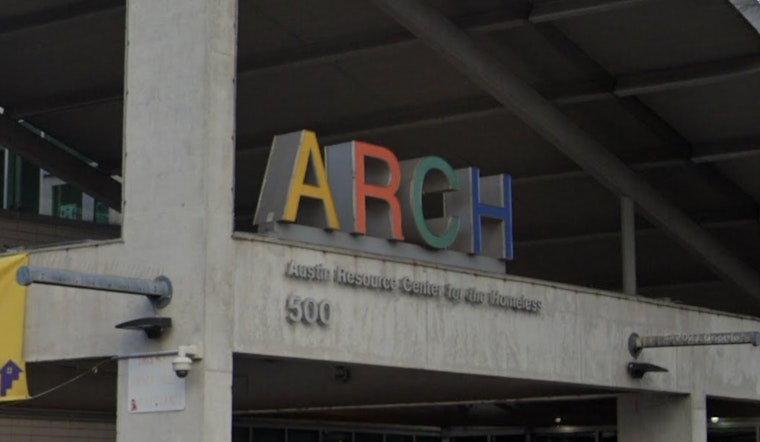
The City of Austin's Homeless Strategy Office (HSO) has recently taken a digital leap to support those living without shelter. The launch of a new platform, Open Now, is designed to connect homeless individuals with immediate resources such as cooling centers, water fountains, and healthcare services. This comes at a time when the coordination between those in need and the aid available can often be disjointed. Open Now (www.austintexas.gov/opennow) presents up-to-date, interactive information to help people find these necessary services efficiently, according to the City of Austin official website.
David Gray, the city's Homeless Strategy Officer, expressed that Open Now's inception is rooted in aiding the community's most vulnerable members. "We launched Open Now with the goal of empowering our most vulnerable neighbors to more easily find and access essential services that support both their immediate needs and long-term stability," he told the City of Austin website. The initiative marks a direct response to the escalating crisis of homelessness, with Open Now acting as a bridge for people in urgent situations to obtain the help they require, particularly in times of extreme weather or health emergencies.
Open Now features a user-friendly interface that allows users to filter through resources based on their immediate needs. Running on the back of a detailed Geographic Information System (GIS) platform provided by Esri, the service is accessible via both mobile and desktop, catering to users ranging from the unsheltered to first responders. In a community where the unhoused often struggle with accessibility to basic needs, Open Now is positioned as a beacon for real-time support.
The platform originated from listening to the voices of Austin's homeless community and agencies that serve them, as stated by Charles Loosen, HSO Engagement Consultant. "Open Now is the outcome of hearing the pleas of unhoused Austinites," he shared. Its development was informed by various local and national models for crisis intervention and aid distribution, stressing the fundamental human right to access to basic necessities like nutrition and hygiene.
Looking forward, the HSO is encouraging public participation to refine the platform's effectiveness further. They are actively seeking feedback, urging community members to report issues or suggest additional resources that could be included. This ongoing engagement underscores the platform's nature as a living resource, adaptable, and reflective of the community's evolving needs.




