

























































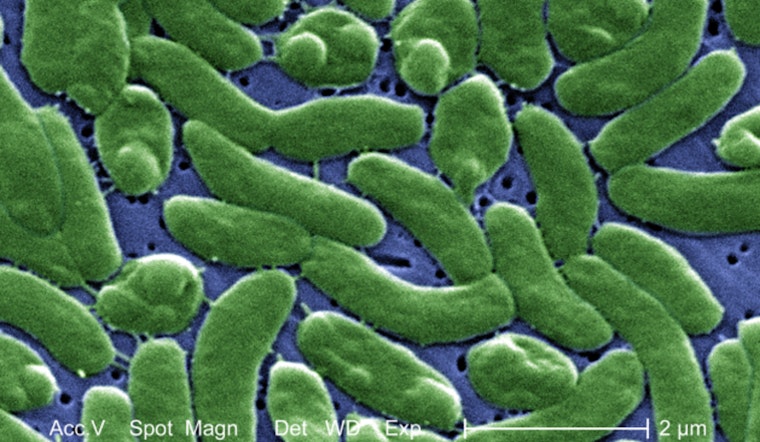
Heads up, Bay Area beachgoers. The Massachusetts Department of Public Health is sounding the alarm on a rare bacterial threat lurking in coastal waters. Vibrio vulnificus, a bacterium typically found in warmer Gulf Coast waters, has shown up in Massachusetts' Buzzards Bay. While cases are uncommon here, four have been linked to Massachusetts exposure in recent years—a number to not take lightly. Reported cases of various Vibrio infections have jumped from 62 in 2020 to 127 just last year.
"Vibrio bacteria normally live in warm, salt, or brackish waters along the Atlantic coast," Public Health Commissioner Robbie Goldstein explained on Mass.gov. This year, heat waves and toasty water temperatures are seemingly to blame, creating an inviting hotbed for these bacteria to quickly grow. With peak bacteria season running from May through October, now's the time to be vigilant—especially if you're planning to cool off at the beach or indulge in some local shellfish. And let's not overlook that thirty percent of the 71 reported Vibrio cases in Massachusetts this year ended up in the hospital.
If you're part of the more vulnerable crowd—those with liver disease, cancer, diabetes, HIV, or thalassemia, or if you're on immunosuppressive therapy—the stakes are higher. Contact with Vibrio can lead to severe, even fatal, illness. But there's good news: A few simple precautions can significantly reduce your risk of infection. Avoid wading or swimming with open wounds, keep those cuts clean if you do take the plunge, and maybe think twice before handling raw seafood or its juices. There have been no Vibrio-related deaths verified this year, according to sources, but it's always better to play it safe.
Watch out for any infection signs if you've been in risky waters or if an open wound seems off after a beach day. Symptoms like fever, chills, blistering skin lesions, or excessive redness and pain should have you dialing your doctor, stat. And for those who love their seafood raw, maybe consider switching to well-cooked dishes for a while. Proper cooking can effectively wipe out any lurking Vibrio, keeping your stomach free of unwanted guests.
For detailed Vibrio intel and tips on staying safe, the Centers for Disease Control and Prevention Vibrio website is your best bet. From wound care to food safety, it's a one-stop resource to arm yourself against these coastal party crashers. Remember, knowledge is power—even when it comes to microscopic menaces.





