

























































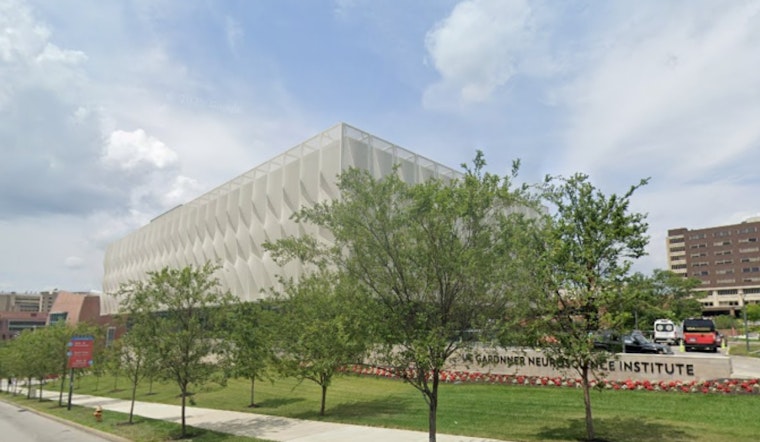
In a case that highlights the complexities of neurological diagnostics, Rod Fussinger has made a remarkable recovery from a rare brain disorder that was initially mistaken for Parkinson's disease. Fussinger, whose condition deteriorated to the point of requiring a feeding tube and losing memories, found hope in the expertise of Dr. Joseph LaPorta at the UC Gardner Neuroscience Institute, as reported by Local12 via UC News.
Grasping for a lifeline amidst a grim prognosis, the Fussingers considered hospice care before seeking a second opinion. They found it in Dr. LaPorta, whose evaluation and subsequent treatment plan steered Rod away from the brink. Formerly misidentified as Parkinson's disease, Rod's condition, anti-IgLON5 disease—a form of encephalopathy characterized by the brain being under attack by antibodies— presented a vastly different progression pattern. "When I met Rod, it was actually in the hospital when he was in an almost comatose state, and that was less than a year from back when he was normal, and that's not how Parkinson's, Alzheimer's or its cousins progress," LaPorta explained in an interview with Local12 via UC News.
Rod's turnaround, post-chemotherapy, is noteworthy. The targeted treatment was designed to rid his body of the antibodies that were assaulting his brain. His recovery progressed to the point where he regained his activity and awareness. According to the UC News, "I had heard from his family he was doing better, but he stood up out of the chair and shook my hand, and this is a guy who wouldn't even interact with me, open his eyes," recounted Dr. LaPorta.
Illustrating the importance of advocacy in health care, Rod has become an active voice for patients seeking accurate diagnoses. He underscores the value of persistence and cautions against accepting preliminary diagnoses without thorough examination. "Yeah, I think they need to find somebody that will keep digging until they're sure because the different diseases are similar enough that if somebody is just busy wanting to get on to the next patient, it wouldn't be that hard for them to have a misdiagnosis, really," he told Local12 via UC News. Reflective of an individual who faced the daunting journey through misdiagnosis to recovery, Rod's insight serves as a vital reminder of the crucial role precision plays in medical treatment.



