

























































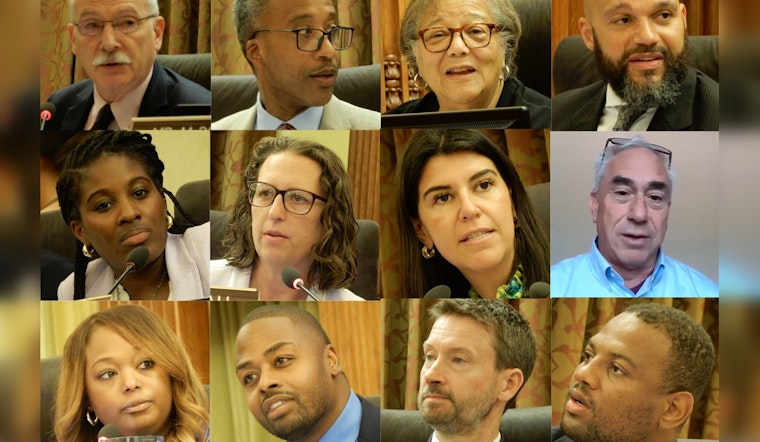
In what's considered a critical move before their summer break, the D.C. Council passed several significant pieces of legislation during their latest meeting. The session saw the approval of the annual budget with the Local Budget Act and the Budget Support Act being the centerpieces of discussion. These bills, necessary for shaping the District’s financial future, underwent adjustments after a warning from the chief financial officer about an impending budget imbalance, as reported by the DC Council's website.
Despite the hiccup, the Council managed to push through with a revised budget. Originally incorporating additional revenue overages, the budget faced a $30 million cut following the CFO's alarm. "An erosion of our legislative authority, which cannot stand," was part of the statement released by the DC Council, reflecting their frustration with having to amend their approved financial plan. Looking ahead, the Council seemingly pins its hopes on the upcoming revenue estimate in September to potentially offset these cuts and reinstate funding to crucial programs.
The revised budget also included a contentious topic – the tipped wage reform. With a compromise finally reached, the tipped minimum wage will remain at $10 and then incrementally rise beginning in July 2026. It is set to reach 75 percent of the overall minimum wage by 2034. This amendment to the Budget Support Act is a crucial shift from the status quo, where tipped workers' income largely depended on fluctuating customer tips. The new legislation mandates that starting January 2026, pay stubs for tipped employees must include a detailed breakdown of wages, including tips, commissions, and service charges.
On the other side, the Council's tightrope walk with balancing the budget meant that several initiatives faced setbacks. Proposals seeking to fund ranked choice voting studies, the support of open District primaries, and a modest increase in capital gains tax to back a child tax credit all failed to gather a majority vote. These decisions hint at the delicate equilibrium the Council navigates between progressive program funding and fiscal pragmatism, as detailed by the DC Council's website.
The first vote on the RENTAL (Rebalancing Expectations for Neighbors, Tenants, and Landlords) Act also transpired, laying groundwork for the bill's pursuit in September. Aimed at reconciling tenant rights with housing production realities, the Act plans for expedited evictions in certain violent crime scenarios, as well as TOPA exemptions for new buildings and sales ensuring long-term affordability. These measures could have a profound impact on the housing landscape in D.C., balancing much-needed protection with incentives to promote investment and growth in the sector.
In anticipation of the end of the Council's summer session and their return in September, discussions are set to continue, including the Robert F. Kennedy stadium project's fate.



