

























































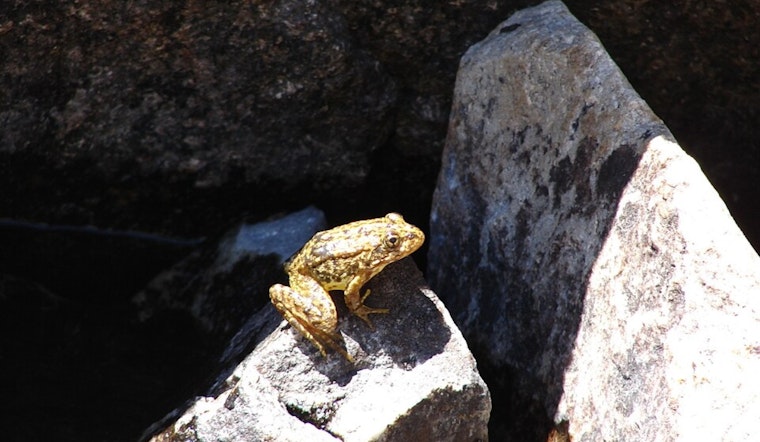
Over 350 endangered Mountain Yellow-legged Frogs have made a triumphant hop back into their natural habitat in the San Bernardino Mountains, thanks to a collaborative effort dubbed one of the largest of its kind. With Birch Aquarium at Scripps Institution of Oceanography leading the charge on their first species reintroduction, these amphibians are starting a new chapter in the wild. This revelatory conservation initiative, aimed at saving the species from the brink of extinction, is a partnership involving a mix of academic institutions like UCLA, conservation powerhouses like San Diego Zoo Wildlife Alliance, and other vital organizations.
The frogs' return was not an overnight success but the result of meticulous nurturing and planning. Sean Bruce, Assistant Curator of Fishes and Invertebrates at Birch Aquarium, expressed the sentiment of the moment, as reported by the aquarium's news release, “It was an incredibly exciting and emotional day for our team, as releasing these frogs into the wild marks a historic first for Birch Aquarium.” Most of the frogs, 220 to be exact, were raised in Birch Aquarium's behind-the-scenes facilities, with the remainder coming from SDZWA and UCLA.
To ensure the frogs' best shot at survival, the reintroduction included hard and soft release strategies at a lake within a preserve managed by The Wildlands Conservancy. Those in the hard release were immediately introduced to their new environment, while the others enjoyed a gradual acclimation in a designated habitat, complete with health checks and feeding sessions. Every frog carries a microchip for future identification, a crucial aspect of monitoring that will enable continued conservation endeavors.
A concerted effort from all partners made this an exceptional event. Tim Krantz, Conservation Director for The Wildlands Conservancy, noted the significance of the introduction, telling the Birchaquarium's news outlet, “Thanks to these efforts, Mountain Yellow-legged Frogs are hopping around Bluff Lake for the first time since they were last recorded here in 1951.” Looking forward, biologists plan to keep a close eye on this group and hope to add even more frogs to the ecosystem in the coming years, with the long-term goal of improving genetic diversity and possibly downlisting the species' endangered status.



.jpg)