

























































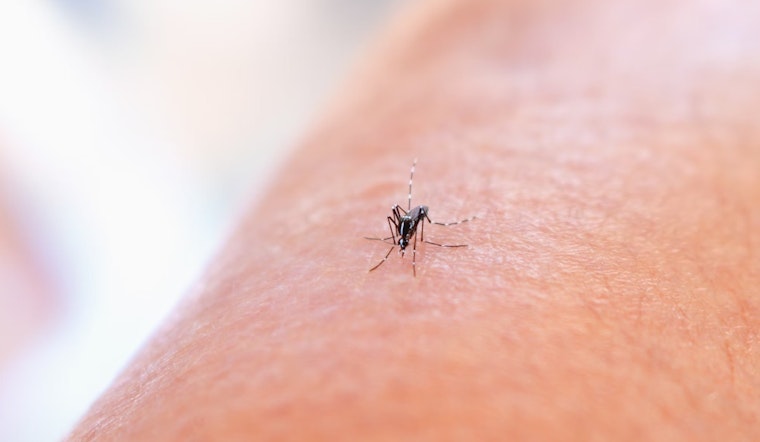
The mosquito-borne menace that's been lurking in Northern California's irrigation channels and suburban water features has officially claimed its first human victim of 2025. A person in their 30s from Butte County—roughly 80 miles north of Sacramento—has become the region's inaugural West Nile virus case this year, experiencing what health officials are calling a severe infection that underscores the very real dangers of this endemic threat, as first reported by the Sacramento Bee.
This isn't just another isolated health incident; it's part of a broader pattern that should have Bay Area residents paying closer attention to their backyards and evening routines. While the North Bay counties of Marin, Sonoma, and Napa haven't reported human cases yet in 2025, the virus has been quietly establishing its presence throughout Northern California in ways that hit remarkably close to home.
Bay Area Counties Sound Their Own Alarms
The East Bay has already seen concerning signs of West Nile activity this summer. Local News Matters reported that mosquitoes collected from Knightsen in eastern Contra Costa County tested positive for the virus—the first mosquitoes to show infection in that county this year. Meanwhile, KRON4 confirmed that a bird in San Ramon became Contra Costa County's first confirmed case of 2025.
Solano County, which bridges the East Bay and North Bay regions, detected West Nile virus in a mosquito pool collected near the Birds Landing area—roughly at the intersection of Collinsville and Montezuma Hills roads, southeast of Fairfield, according to the East Bay Times. That discovery marked the county's first indication of West Nile activity this year and prompted heightened surveillance efforts.
Santa Clara County presents an even more sobering picture. KTVU reported that the county experienced an uptick in West Nile cases last year, with treatments in neighborhoods increasing over 20% compared to the same period the previous year. The county had two confirmed human cases in 2024, with one resulting in death—a stark reminder that this isn't just about annoying mosquito bites.
Tahoe Region: A Historically High-Risk Zone
The Tahoe area and surrounding Placer County deserve particular attention from residents and visitors alike. Current California Department of Public Health data shows that Placer County has recorded 15 mosquito samples testing positive for West Nile virus this year, making it one of the more active regions in the state. The virus has a well-documented history in the Lake Tahoe basin, with cases detected "on all sides of the lake in birds, mosquitoes and humans" in previous years, according to Sierra Sun coverage.
What makes the Tahoe situation particularly concerning is the combination of summer recreation patterns and mosquito breeding conditions. The South Lake Tahoe area has confirmed West Nile cases in birds multiple times over the years, with El Dorado County health officials regularly detecting the virus in species ranging from Western Scrub Jays to Stellar Jays found in both South Lake Tahoe and the Placerville area.
Butte County: Northern California's Unexpected Hotspot
The patient in Butte County represents more than just a single case—it highlights a troubling regional pattern. Action News Now reported that Butte County led California in human West Nile virus cases in 2024, with seven of the state's 19 cases occurring there. The county also recorded one of California's three West Nile deaths last year—a person between 40-50 years old who suffered from severe neuroinvasive illness.
This pattern isn't coincidental. The Butte County Mosquito and Vector Control District notes that West Nile virus has been detected in the county every year since 2004, establishing it as an endemic threat in the region. The combination of agricultural irrigation, suburban development, and ideal mosquito breeding conditions creates what experts describe as perfect storm conditions for virus transmission.
The Numbers Paint a Concerning Picture
Statewide, California has confirmed nine human West Nile virus cases across four counties this year, with one fatality reported in Tulare County, according to the latest California West Nile Virus surveillance data. Beyond human cases, the virus has been detected in 76 dead birds from 13 counties and 1,162 mosquito samples from 25 counties—numbers that represent a significant surveillance network picking up widespread viral activity.
August traditionally marks peak transmission season for West Nile virus in California, with the Butte County case arriving right on schedule. Historical data analyzed by researchers at UC Davis and other institutions shows that from 2003 through 2018, California reported 6,909 human cases of West Nile disease, including 326 deaths—making it the most significant vector-borne disease threat in the state.
What This Means for Northern California Residents
The reality is that West Nile virus has become a permanent fixture in Northern California's disease landscape, and residents need to adjust their summer routines accordingly. The virus transmission occurs primarily through Culex mosquitoes—the same species that breed in everything from neglected swimming pools to flower pot saucers. Unlike the Aedes mosquitoes that carry Zika or dengue, these Culex species are most active during dawn and dusk hours, creating predictable risk windows.
For residents in areas like the East Bay, North Bay, and Tahoe region, the message is clear: this isn't a distant threat anymore. With confirmed viral activity in mosquitoes across multiple counties and the season's first severe human case now documented, the time for casual awareness has passed. The integration of urban development with agricultural areas—particularly common throughout Northern California—creates ideal breeding grounds for the mosquito species that carry West Nile virus.




