

























































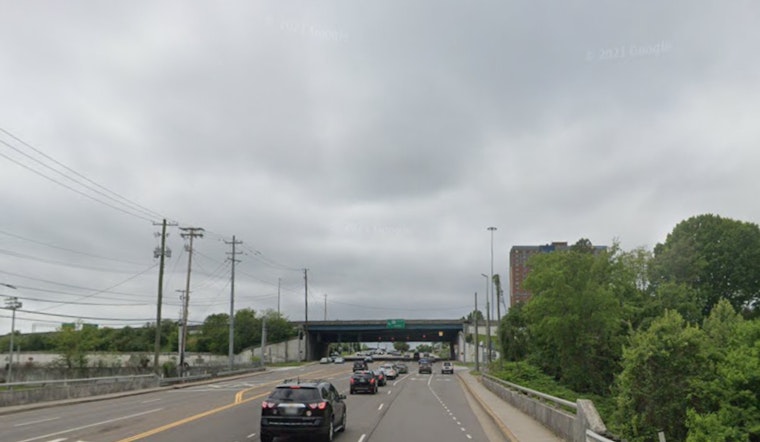
The National Weather Service says the worst of Wednesday’s heavy downpours across parts of East Tennessee are winding down, but localized flooding and dense morning fog remain concerns — and parts of the state that were hit hardest still face dangerous conditions from overnight flash flooding.
In an afternoon area forecast discussion out of the Morristown forecast office, forecasters noted that a low-pressure system dragging Gulf moisture into the region produced very efficient rainfall rates and high precipitable water values earlier in the day, prompting flood watches for broad swaths of eastern Tennessee and neighboring counties. According to the same discussion, radar trends showed decreasing coverage and intensity through the afternoon, though southern counties were expected to remain at risk for localized flooding into the evening. NWS Morristown/Tri-Cities outlined those key messages and timing.
What happened on the ground
Parts of the Chattanooga area saw some of the heaviest impacts overnight into Tuesday, with swiftwater rescues, road closures and at least three fatalities reported after a tree fell on a vehicle in the East Ridge area. Local and national outlets reported rescues on Interstate 24 and other major corridors as water rushed across low spots and underpasses. The Associated Press and local broadcasters documented the emergency response and the county’s declaration of a local state of emergency in the hardest-hit areas.
Forecast and aviation impacts
Forecasters say the deep Gulf moisture that fueled the heavy rain will shift east overnight as the surface low moves into Georgia and South Carolina, which should reduce widespread rain. However, abundant low-level moisture will likely yield widespread fog and low clouds overnight and into Thursday morning — with Tri-Cities (TRI), Knoxville (TYS) and Chattanooga (CHA) airports flagged for low-endurance instrument flight rules or occasional LIFR/IFR conditions at sunrise. The NWS Morristown/Tri-Cities discussion includes the aviation guidance and preliminary point forecasts for local terminals.
Short-term outlook
Another upper-level trough will move across the region Thursday, bringing scattered afternoon showers and storms — though forecasters expect the column to be drier than Wednesday, reducing the widespread flooding threat. By the weekend, a building ridge over the Tennessee–Ohio Valley should cut convective coverage to mainly isolated, daytime storms while pushing temperatures into the lower-to-mid 90s across the area. Washington Post coverage notes similar forecast trends and the chance for additional heavy cells where storms redevelop.
Why this matters locally
Even as the immediate widespread flooding threat retreats, areas that received heavy rainfall already — low-lying neighborhoods, urban corridors with poor drainage, and small streams — can still produce rapid rises and renewed flash flooding with just a few tenths of an inch of additional rain. Local crews were still conducting water rescues and clearing flooded roadways in Chattanooga on Wednesday morning, per local station reporting. WDEF captured the scale of the street and interstate flooding that responders faced.
Longer-term context
Residents and officials should also view this event in the context of a trend of intense, concentrated rainfall events across the state earlier this year. An analysis published in May found recent spring flooding and severe storms in Tennessee were measurably intensified by a warmer climate — a reminder that localized extreme rainfall is likely to remain a recurring hazard. Tennessee Lookout reviewed that analysis.
Safety and advice
Forecasters continue to urge the public to follow the old but life-saving rule: turn around, don’t drown. The National Weather Service recommends people monitor local forecasts, avoid flooded roadways, and be prepared for dense fog in the pre-dawn hours. Local emergency managers and broadcasters remain the best sources for road closures and shelter information as recovery and assessments continue; many outlets reported officials asking residents to avoid nonessential travel in the hardest-hit corridors. AP coverage includes statements from local authorities on closures and rescues.



