

























































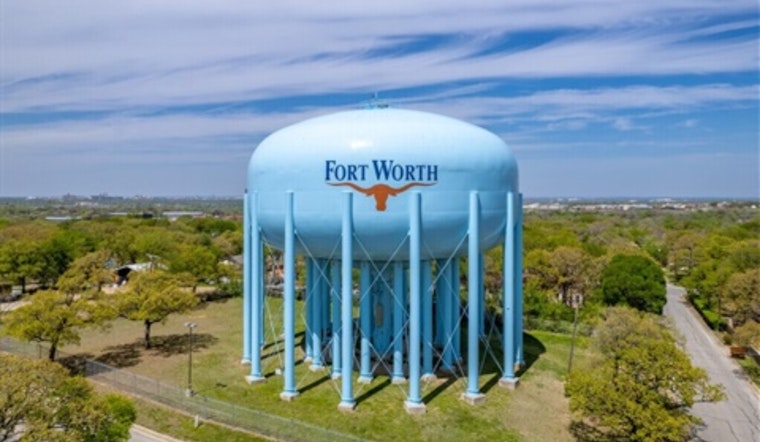
Fort Worth's city officials have proposed a shift in the city's water rate structure to primarily impact commercial, industrial, and irrigation customers starting in 2026. Details shared on the City of Fort Worth's website revealed that while residential water rates are not set to rise, there's a plan to restructure the current tier system to incentivize water conservation, especially for outdoor usage. The proposal suggests changes to water volume rates for non-residential customers to better reflect the cost of service, alongside an increase in the monthly water service charge for larger meters, typically used by these customer groups.
The proposal doesn't just stop at water services. Wastewater volume rates for all customer classes are also on the docket, in addition to adjustments in the monthly wastewater service charges, which will vary based on meter size. Homeowners aren't entirely off the hook; households consuming more than 12 CCF (8,977.2 gallons) per month will see their bills climb, a move aiming to discourage excessive water use. The tier alterations, as the city elucidates, are designed to mirror actual consumption patterns, bringing Fort Worth in line with other Texan utilities' practices.
Scrutinizing the data, the average monthly home in Fiscal Year 2024 used 9.68 CCF, with winter months seeing a dip to 5.92 CCF on average. These figures lead the charge, informing the reshaping of the tiers, last adjusted back in 2016. As residents digest the implications, they can funnel their feedback in written comments to city halls by the approaching deadline, Aug. 22. The City Council may green-light the proposals shortly thereafter, in their meeting scheduled for Aug. 26.
The financial implications for individual households will hinge on their water consumption habits. For the average resident, whose usage aligns with the city’s defined efficiency standards, monthly charges might not budge an inch. Data points to last year’s mean household usage aligning reasonably within the proposed tiers, sparing many from increased expenditures.





