

























































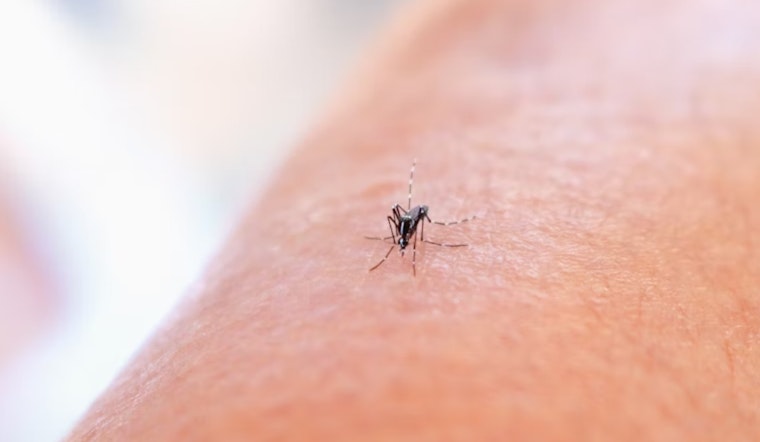
Residents of Salt Lake County ought to be on alert as local health authorities have detected the St. Louis encephalitis virus (SLEV) in the county's mosquito population, a situation that urges extra caution and preventive measures to avoid mosquito bites, according to the Salt Lake County Health Department. With confirmed cases in multiple locations and the insects' potential to cover several miles, the risk extends across the region, meaning everyone should heed the advice regardless of their proximity to the detection sites.
The shared symptoms of SLEV and the more common West Nile virus include fever, headache, nausea, vomiting, and fatigue, but residents should note that, while many might not experience any symptoms, the virus can, in cases, lead to more severe neuroinvasive diseases that encompass high fever, neck stiffness, and neurological complications even as serious as tremors, disorientation, and paralysis; Mary Hill, SLCoHD's epidemiology bureau manager warned that St. Louis encephalitis virus should be considered when patients present with such symptoms.
While transmission primarily happens through mosquitoes, specifically the Culex species, which pick up the virus from birds, there is no current vaccine or direct medical treatment for SLEV, underscoring prevention as the key strategy. Individuals are urged to employ all necessary precautions, such as utilizing EPA-registered mosquito repellents, wearing long sleeves and pants after dusk, eliminating standing water around homes, keeping weeds and grass trimmed, and making sure screens on doors and windows are intact to keep mosquitoes out.





