

























































Expectations are soaring as Whatcom Creek, nestled in the urban landscape of downtown Bellingham, prepares for an influx of Chinook salmon. The projected surge to over 7,000 fish represents a historical peak for the region, thanks to the concerted efforts of Bellingham Technical College (BTC), the Washington Department of Fish and Wildlife (WDFW), the Northwest Indian Fisheries Commission (NWIFC), and the Lummi Nation and Nooksack Indian Tribe. According to a recent release by WDFW, this season's return promises a boost for local ecosystems and the culture surrounding them.
The alliance underpinning this record return is not a newfound endeavor, but the fruit of an ongoing and deliberate strategy. "We’re forecasting the largest return of Chinook on record back to Whatcom Creek over the next two months and are thrilled by how successful this partnership has been," Edward Eleazer, WDFW’s North Puget Sound Region Fish Program manager, told the source publication. And while the salmon's journey taps into an instinctive migratory call, these particular Chinook, raised for a specific set of objectives, hail from a program unlike those guiding their wild counterparts.
Mid-August marks the start of the Chinook's return, continuing into October. Originating from the Samish River, these salmon begin as hatchery-produced eggs and sperm collected by WDFW's Samish Hatchery crew. Hands-on involvement by BTC students, aiding in the transfer of over half a million eggs annually to BTC's Perry Center, is crucial to the operation. From an educational standpoint, students gain industry skills while contributing to a larger ecological narrative—one that feeds Southern Resident killer whales and supports both recreational and tribal fishing opportunities. As outlined in the WDFW release, this educational component is vital to the BTC curriculum and transcends classroom walls, forging a real-world impact.
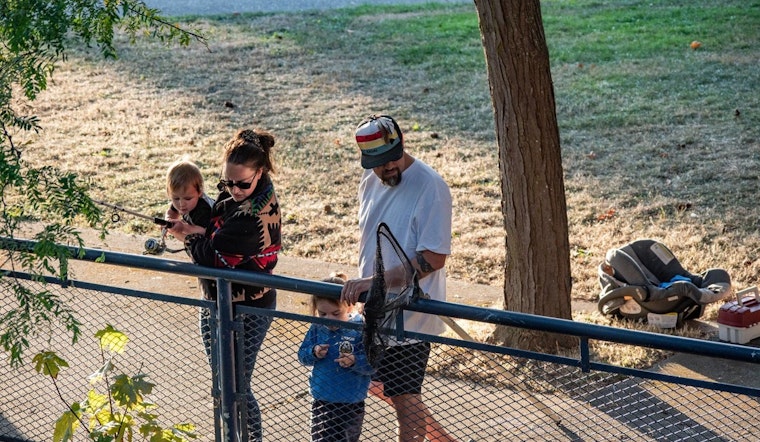
The fishery at Whatcom Creek, managed by the state, is open on weekends through September 14, with specific regulations in place to ensure the Chinook's sustainability and fair distribution. An Anti-Snagging Rule, aimed at fostering a sporting chance for the fish, is also in effect; details can be accessed through the Fish Washington mobile app or consultation of current regulations. Part of the collective mission also includes an appeal to the public for respect during the fishing seasons, especially toward state and tribal fishers, as Julie Klacan, a district fisheries biologist for WDFW, emphasized in the release.
In combination with BTC's educational aspirations, the program is a microcosm of a co-managed fisheries system that not only aims to replenish a species but also to sustain the cultural practices and livelihoods intertwined with the Chinook. The united front of educational institutions, state agencies, and tribal nations is not just a pledge to today's environmental stewardship, but a beacon hoping to guide future generations toward a harmonious relationship with the natural world.




